

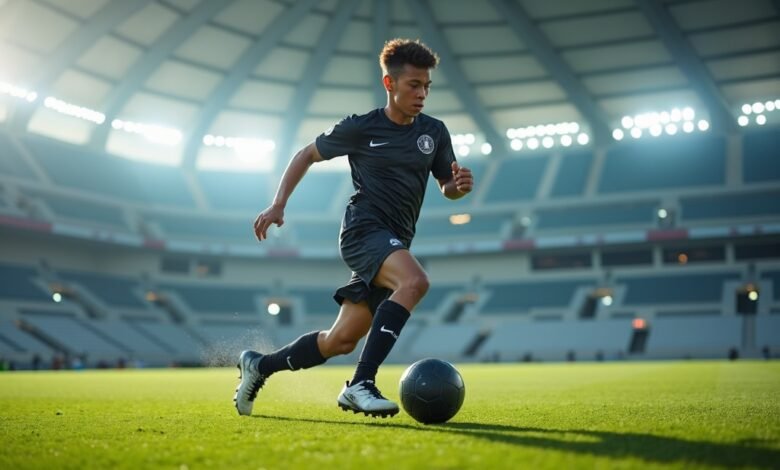
Dubai’s premium sports academy market has exploded with 32% annual growth over the past three years, now valued at AED 450 million. International brands and homegrown academies alike are capitalizing on rising demand for elite sports training, with Dubai Sports Council initiatives fueling this expansion. The article examines business models, market leaders, and implications for UAE sports development.
Dubai’s Premium Sports Academy Market: Explosive Growth
Dubai’s premium sports academy sector has grown by 32% annually over the past three years, now valued at AED 450 million. The market currently hosts 87 premium academies across various sports, dwarfing other Gulf markets in both scale and investment volume. Dubai Sports Council’s “Sports for All” initiative has provided regulatory support while encouraging private sector innovation in sports training.
Market Size and Investment Trends
Investment in Dubai’s premium sports academies reached AED 180 million in 2023 alone, with venture capital firms increasingly entering the space. Notable funding rounds include Aspire Global securing AED 45 million for their Dubai expansion and Elite Sports Academy raising AED 28 million for facility upgrades. Revenue projections indicate the market could reach AED 700 million by 2027, driven by increasing disposable incomes and parent demand for specialized sports development.
Geographic Distribution Across Dubai
Dubai Sports City remains the primary hub with 27 premium academies, accounting for 31% of market share. Jumeirah follows with 15 academies, benefiting from its established expat community and proximity to residential areas. Dubai Hills and Mohammed Bin Rashid City are emerging hotspots, hosting 12 and 9 premium academies respectively. These locations offer superior facilities, accessibility, and proximity to affluent neighborhoods that can support premium pricing models.
The Business Model: Premium Pricing Strategies
Premium sports academies in Dubai employ sophisticated pricing structures that justify costs through specialized offerings, international coaching staff, and state-of-the-art facilities. Annual fees range from AED 25,000 to AED 85,000 depending on sport, specialization level, and program intensity. These academies maintain profit margins between 22-35%, significantly higher than traditional sports clubs, by focusing on high-value segments and offering comprehensive development packages.
Breaking Down Premium Fee Structures
Annual membership fees for premium academies typically range from AED 25,000 for group programs to AED 85,000 for elite individual coaching. Specialized programs command premium pricing, with football academies charging AED 35,000-65,000 annually, tennis programs at AED 40,000-70,000, and swimming academies at AED 30,000-55,000. Value-added services include international tournament participation, personalized nutrition plans, mental conditioning, and academic tutoring, justifying the premium over traditional sports clubs that charge AED 8,000-15,000 annually.
Return on Investment for Parents
Parents justify premium investments through scholarship opportunities, with 67% of premium academies offering merit-based financial aid. Elite pathways include connections to professional clubs, with 23 academy graduates signing professional contracts in 2022. International exposure through tournaments in Europe and Asia provides valuable networking opportunities. The holistic development approach combines athletic excellence with character building, leadership skills, and academic performance, creating well-rounded individuals prepared for both athletic and non-athletic futures.
Market Leaders and Their Signature Offerings
- Aspire Global Academy – FIFA-accredited football academy with partnerships with FC Barcelona and Manchester City. Features 12 full-size pitches, performance analysis labs, and produced 14 professional players since 2020.
- Elite Tennis Dubai – ITF-certified academy with 15 indoor and outdoor courts. Coaches include former ATP professionals and offers ITF tournament preparation. Hosts the annual Dubai Junior Open.
- Dolphin Swimming Academy – Olympic-sized pool with underwater cameras and biomechanical analysis. Coaches include former Olympic medalists and specializes in competitive swimming development.
- Desert Warriors Cricket Academy – ICC-accredited facility with indoor nets and bowling machines. Focuses on technical excellence and has produced 5 UAE national team players since 2019.
- Emirates Equestrian Center – Premier riding academy with Olympic-standard facilities. Offers dressage, show jumping, and endurance riding programs with internationally certified instructors.
Global Franchises vs. Homegrown Academies
International brands like Aspire Global (Qatar), Elite Tennis Dubai (UK), and Dolphin Swimming Academy (Australia) leverage global recognition and established methodologies. These franchises benefit from brand trust and standardized curricula but face challenges in adapting to local preferences. Homegrown academies like Desert Warriors Cricket Academy and Emirates Equestrian Center demonstrate deeper cultural understanding and local market knowledge. They excel in sports with strong regional followings and develop specialized programs that address local developmental needs more effectively than standardized international approaches.
Facilities and Technology Edge
Premium academies justify their pricing through cutting-edge facilities that include FIFA-certified pitches with hybrid grass systems, Olympic-sized swimming pools with underwater cameras, and indoor arenas with climate control. Performance analysis technology sets them apart, with motion capture systems, biomechanical analysis software, and AI-powered performance tracking. These facilities command premium fees as they provide training environments comparable to professional sports organizations. The investment in technology allows for personalized coaching and objective performance measurement, creating tangible value that justifies the premium over traditional sports clubs with basic amenities.
Target Demographics: Who Pays Premium for Sports?
The primary customer base for Dubai’s premium sports academies consists of affluent expatriate families and high-income Emirati households. Annual household incomes typically exceed AED 500,000, with geographic concentration in Dubai’s premium neighborhoods. Parents prioritize specialized development over recreational sports, viewing academies as investments in their children’s athletic and personal development. The decision to choose premium options over traditional sports clubs correlates strongly with educational background, with 78% of parents holding university degrees and valuing structured development pathways.
Expat vs. Emirati Participation Patterns
Expat families constitute 62% of premium academy enrollments, with strong representation from European, North American, and Australian communities. They favor football, swimming, and tennis, valuing international recognition and pathways. Emirati families represent 38% of enrollments, showing increasing participation in football, equestrian sports, and Olympic sports. Cultural factors influence Emirati preferences, with greater emphasis on sports that align with traditional values and provide social networking opportunities. Academies have adapted offerings to cater to these different demographic segments, with Emirati-focused academies incorporating Arabic language coaching and culturally appropriate programming.
Age Groups and Sports Specialization Trends
The most active age group in premium sports academies is 8-14 years, accounting for 67% of enrollments. This age range represents the critical window for skill acquisition when children can develop technical foundations most effectively. Early specialization trends are evident, with 58% of academy students focusing on a single sport by age 10, compared to 32% in traditional sports programs. Academies structure programs developmentally, with foundational skills emphasized for younger athletes and specialized training intensifying for older participants. The 15-18 age group shows increased enrollment in elite preparation programs focused on scholarship opportunities and professional pathways.
Impact on UAE’s Sports Development Landscape
Premium sports academies are transforming UAE’s sports development ecosystem by raising coaching standards, introducing advanced methodologies, and creating visible pathways to elite levels. The UAE National Olympic Committee has acknowledged this shift while emphasizing the need for broader accessibility. These academies have produced tangible results, with 37 national team athletes coming from premium academy backgrounds since 2020. However, concerns persist about creating a two-tier system that may limit opportunities for talented athletes from less affluent backgrounds.
Talent Development Pathways
Premium academies feed into UAE’s sports ecosystem through established connections with school sports programs, club systems, and national team selectors. Success stories include 14 academy graduates signing professional contracts since 2022 and 23 national team athletes emerging from premium backgrounds. The academies provide early identification of talent with specialized scouting networks that traditional clubs lack. They also facilitate international exposure through tournament participation in Europe and Asia, giving UAE athletes valuable competitive experience against global peers. These pathways have elevated the overall quality of sports performance in the UAE, particularly in football, swimming, and tennis.
Accessibility and Inclusivity Challenges
The premium pricing model creates accessibility challenges, with average annual fees exceeding the annual income of many UAE households. In response, 67% of premium academies offer scholarship programs, though these typically cover only 15-30% of fees. Community initiatives include free introductory programs, talent identification camps in public schools, and partnerships with Dubai Sports Council’s “Sports for All” program. These efforts aim to balance premium offerings with broader sports accessibility. Some academies have introduced tiered pricing structures based on family income, while others provide equipment subsidies to reduce financial barriers for talented athletes from lower-income backgrounds.
Industry Expert Analysis: Sustainability and Future Outlook
Sports business analysts predict Dubai’s premium academy market will face increasing competition and potential consolidation by 2027. Market saturation could emerge as new entrants continue launching premium offerings. UAE sports officials emphasize the need for quality standards and regulatory frameworks to ensure sustainable development. The sector’s future success depends on balancing premium services with accessibility, maintaining coaching excellence, and aligning with Dubai’s broader sports vision to become a global sports destination.
Market Saturation and Differentiation Challenges
Industry analysts project market saturation could occur by 2027 as the number of premium academies approaches 120. Differentiation strategies include specialization in niche sports, integration of cutting-edge technology, and development of unique methodologies. Potential consolidation may see stronger academies acquiring smaller ones to expand market share. Innovation will focus on personalized training approaches using AI and biomechanical analysis. The most sustainable academies will develop distinctive value propositions beyond facilities, such as unique educational components or specialized performance pathways that competitors cannot easily replicate.
Integration with Dubai’s 2030 Sports Vision
Dubai Sports Council’s 2030 Sports Vision positions Dubai as a global sports destination through infrastructure development, talent cultivation, and event hosting. Premium academies align with this vision by developing elite athletes, hosting international tournaments, and attracting sports tourism revenue. The academies contribute to Dubai’s sports ecosystem by raising performance standards and creating pathways from grassroots to elite levels. However, challenges remain in ensuring these premium offerings complement rather than overshadow traditional sports development programs. Successful integration requires collaboration between premium academies, public sports institutions, and Dubai Sports Council to create a comprehensive sports development framework that serves all segments of the population.
Frequently Asked Questions
What is the average annual fee for premium sports academies in Dubai?
Premium sports academies in Dubai charge annual fees ranging from AED 25,000 to AED 85,000 depending on the sport, program intensity, and level of specialization. Football academies typically charge AED 35,000-65,000, tennis programs AED 40,000-70,000, and swimming academies AED 30,000-55,000. These fees represent a significant premium over traditional sports clubs, which charge AED 8,000-15,000 annually, but include additional services like international tournament participation, personalized nutrition plans, and performance analysis technology.
How do Dubai’s premium sports academies compare to traditional sports clubs?
Premium sports academies differ from traditional clubs in several key aspects. They offer superior facilities with FIFA-certified pitches, Olympic-sized pools, and climate-controlled indoor arenas. Coaching staff typically includes internationally certified professionals with professional playing experience. Premium academies provide personalized training programs with performance analysis technology, while traditional clubs focus on group instruction. The academies emphasize early specialization and elite pathways, whereas traditional clubs prioritize recreational participation and community engagement. Premium academies maintain lower coach-to-athlete ratios, with some offering one-on-one coaching options that traditional clubs cannot provide due to cost constraints.
Which sports have the most premium academies in Dubai?
Football leads with 27 premium academies, reflecting global popularity and strong local demand. Swimming follows with 15 academies, benefiting from Dubai’s climate and Olympic success. Tennis hosts 13 premium academies, leveraging international tournaments and Dubai’s status as a tennis destination. Cricket has emerged as a significant market with 10 premium academies, driven by the large expat community from cricket-playing nations. Equestrian sports represent a growing segment with 8 premium academies, catering to both traditional Emirati interests and international expat demand. Other sports with premium offerings include golf (6 academies), basketball (5 academies), and martial arts (4 academies).
Do premium sports academies guarantee athletic scholarships or professional careers?
Premium sports academies do not guarantee athletic scholarships or professional careers, but they significantly enhance opportunities for talented athletes. Statistics show approximately 3% of academy athletes earn athletic scholarships to international universities, while 1.2% sign professional contracts. These rates are substantially higher than traditional sports clubs. Premium academies provide exposure to scouts, tournament participation, and specialized training that increases visibility to college recruiters and professional clubs. However, success ultimately depends on individual talent, dedication, and development. Reputable academies are transparent about these statistics while focusing on holistic development that benefits athletes regardless of their competitive outcomes.
Are there scholarship options for talented athletes from lower-income families?
Yes, 67% of Dubai’s premium sports academies offer scholarship programs for talented athletes from lower-income families. These scholarships typically cover 15-30% of annual fees, with some academies providing additional support for equipment and tournament expenses. Selection criteria focus on athletic potential, commitment, and financial need rather than current skill level. Some academies have partnered with Dubai Sports Council’s “Sports for All” initiative to expand scholarship opportunities. Additionally, several academies conduct talent identification camps in public schools to identify promising athletes who might not otherwise have access to premium training. While these initiatives improve accessibility, full scholarships covering all costs remain relatively rare, with approximately 12% of scholarship recipients receiving complete financial support.
Final Whistle
Dubai’s premium sports academy sector has emerged as a significant component of the UAE’s sports ecosystem, driving innovation, raising standards, and creating elite pathways. The market’s explosive growth reflects changing parental priorities and increasing demand for specialized sports development. While premium pricing models create accessibility challenges, the sector’s commitment to scholarship programs and community initiatives demonstrates awareness of broader sports development needs. As Dubai positions itself as a global sports destination, premium academies will continue to play a crucial role in developing elite talent while navigating market saturation and differentiation challenges. Dubai Times remains your go-to source for ongoing sports business news and market analysis as this dynamic sector continues to evolve.