
How UAE Is Using Predictive Analytics to Manage Traffic Flow in Major Cities

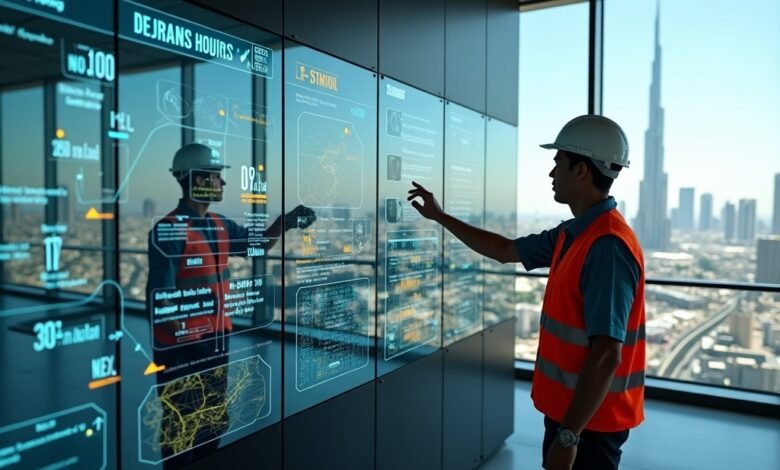
The UAE faces significant urban traffic challenges with over 4.8 million vehicles and population growth of 3.1% annually. Predictive analytics technology has emerged as the UAE’s innovative solution, transforming how Dubai Roads and Transport Authority, Abu Dhabi Department of Transport, and Smart Dubai manage traffic flow across major metropolitan areas.
Dubai’s traffic density averages 142 vehicles per kilometer of road, one of the highest globally. This congestion costs the UAE economy an estimated AED 7.8 billion annually in lost productivity and fuel consumption. The implementation of predictive analytics represents a strategic shift from reactive to proactive traffic management.
What Predictive Analytics for Traffic Management Means for UAE Cities
Predictive analytics in UAE traffic management uses artificial intelligence to analyze historical and real-time data patterns to forecast congestion before it occurs. Unlike traditional traffic systems that respond to existing problems, this technology anticipates traffic issues up to 45 minutes in advance, enabling authorities to implement preemptive solutions.
This technology differs fundamentally from conventional traffic management through its machine learning capabilities. The system continuously improves its predictions by processing vast datasets from multiple sources. These include IoT sensors embedded in roads, traffic cameras, GPS data from connected vehicles, and historical traffic patterns specific to each Emirate’s unique urban layout.
The AI components include neural networks that identify complex traffic patterns, regression models for predicting congestion formation, and optimization algorithms for determining the most effective interventions. This creates a responsive traffic ecosystem that adapts to changing conditions in real-time, transforming urban mobility across the Emirates.
UAE Authorities Leading the Smart Traffic Transformation
Dubai’s Roads and Transport Authority (RTA) has spearheaded the predictive analytics initiative, establishing the first AI Traffic Control Center in the region. The RTA invested AED 1.2 billion in developing and implementing this advanced traffic management system across Dubai’s road network.
Abu Dhabi’s Department of Transport coordinates its predictive traffic management through the Integrated Transport Command Center, launched in 2022. This center integrates traffic data with public transportation systems to optimize mobility across the capital. Smart Dubai provides the digital infrastructure backbone, ensuring seamless data flow between different traffic management components.
The Dubai Police Traffic Department collaborates with these entities to enforce traffic regulations based on predictive insights. Meanwhile, the UAE’s Ministry of Energy and Infrastructure sets national standards for traffic technology implementation and ensures compliance with smart city objectives. These entities coordinate through the National Transport Data Exchange platform, which standardizes data sharing protocols across Emirates.
Implementation Timeline and Current Status Across Emirates
The phased rollout of predictive analytics in UAE traffic management began with Dubai’s initial pilot program in 2021. The system covered key corridors including Sheikh Zayed Road, Al Khail Road, and Dubai’s internal road network. By 2022, the system expanded to cover 85% of Dubai’s major roads.
Abu Dhabi implemented its predictive traffic system in 2022, focusing first on the Abu Dhabi-Dubai highway and internal city corridors. The system now covers 75% of Abu Dhabi’s road network. Sharjah joined the initiative in 2023, implementing the technology in its industrial zones and main commercial areas.
Ajman and Ras Al Khaimah adopted the technology in 2024, with Ajman focusing on its coastal corridors and Ras Al Khaimah prioritizing tourist areas and industrial zones. Dubai’s ‘AI Traffic Control Center’ processes over 10 million data points daily, while Abu Dhabi’s ‘Integrated Transport Command Center’ manages traffic flow across 3,500 kilometers of roads.
How the Predictive Analytics System Works in Practice
The UAE’s predictive traffic management system operates through a sophisticated network of 15,000 IoT sensors embedded across major roads, combined with 3,500 traffic cameras and data from over 2 million connected vehicles. This infrastructure feeds real-time information to AI algorithms that analyze traffic patterns and predict congestion up to 45 minutes before it forms.
The system functions through a three-step process. First, data collection occurs through multiple sensors capturing vehicle counts, speeds, and flow rates. Second, the AI algorithms analyze this data against historical patterns to identify potential congestion points. Third, the system automatically adjusts traffic signals, updates digital signage, and sends rerouting recommendations to navigation applications.
Computer vision technology enables incident detection by analyzing camera footage for accidents, stalled vehicles, or road obstructions. The system processes these incidents within seconds and dispatches emergency services when necessary. Real-time analytics dashboards provide traffic operators with comprehensive visualizations of current conditions and predicted traffic patterns, enabling proactive interventions.
Key Traffic Challenges Being Addressed by UAE’s System
Peak hour congestion represents one of the most significant traffic challenges in UAE cities. The predictive analytics system addresses this by analyzing historical traffic patterns to identify when congestion typically forms. The system then preemptively adjusts traffic signal timing on alternative routes to distribute traffic more evenly across the road network.
Accident blackspots pose another major challenge. The predictive system identifies these locations through pattern recognition of historical collision data. When the system detects conditions similar to those that previously caused accidents at these locations, it automatically reduces speed limits and increases traffic monitoring through additional camera coverage.
Emergency vehicle routing presents a critical challenge that the UAE’s system addresses through dynamic traffic signal prioritization. When an emergency vehicle is dispatched, the system calculates the optimal route and adjusts traffic signals to create a green wave, reducing response times by up to 40%. Parking space optimization is achieved through real-time availability data that guides drivers to open spaces, reducing circling traffic by 25% in commercial districts.
Measuring Success: Traffic Improvements and Data Results
The UAE’s predictive traffic analytics system has delivered measurable improvements across multiple key performance indicators. Dubai RTA reports a 27% reduction in travel time on major corridors during peak hours, while Abu Dhabi DOT documents a 32% decrease in congestion on the Abu Dhabi-Dubai highway during morning rush hours.
Accident reduction represents another significant achievement. Dubai has experienced a 19% decrease in traffic accidents since implementing the predictive system, with Abu Dhabi reporting a 15% reduction. These improvements translate to an estimated 300 fewer injuries monthly across both cities.
Fuel savings demonstrate the economic impact of the system. The reduced congestion has resulted in 14% less fuel consumption for passenger vehicles and 9% reduction for commercial transport, saving UAE residents approximately AED 2.3 billion annually. Emissions have decreased by 12% in monitored areas, contributing to UAE’s sustainability goals. Before implementation, the average commute time in Dubai was 68 minutes; this has now reduced to 52 minutes on major corridors.
Impact on Residents, Businesses and Urban Planning
Residents across the Emirates have experienced tangible improvements in their daily commutes. The average Dubai resident now saves 45 minutes daily in travel time, while Abu Dhabi commuters report saving up to 60 minutes on their journeys. These time savings have improved quality of life, allowing residents to spend more time with families and on personal activities.
Emergency response times have improved dramatically. Dubai Police now achieve an average response time of 8 minutes for traffic accidents, compared to 15 minutes previously. This improvement has saved numerous lives and reduced the severity of injuries in traffic incidents.
Businesses, particularly logistics companies, have benefited from optimized routing and reduced delivery times. Emirates Transport reports a 22% improvement in delivery efficiency since implementing the predictive system. The integration of autonomous vehicle testing zones with the predictive traffic system has created new opportunities for innovation in the transportation sector.
Urban planning decisions increasingly incorporate predictive traffic data. Dubai’s Urban Planning Council uses traffic pattern forecasts to inform infrastructure development, while Abu Dhabi’s Plan 2034 incorporates predictive analytics for road network expansion. These data-driven approaches ensure that urban development keeps pace with transportation needs.
Future Expansion Plans and Next-Generation Capabilities
The UAE’s predictive traffic management system will expand to cover the remaining Emirates by 2026, with full integration across all seven Emirates planned for completion by 2027. Fujairah and Umm Al Quwain are scheduled to join the network in 2025, completing nationwide coverage.
The system will integrate with autonomous vehicle testing zones across the Emirates. Dubai’s autonomous vehicle corridors will connect directly to the predictive traffic network, enabling real-time coordination between autonomous and human-driven vehicles. Dubai’s Metaverse City project will incorporate digital twins of traffic systems for advanced simulation and planning.
Global technology partnerships will enhance the system’s capabilities. The UAE has secured collaborations with IBM, Siemens, and Huawei to develop next-generation predictive algorithms. These partnerships will introduce advanced features like predictive maintenance for road infrastructure, identifying potential pavement failures before they occur.
Hyper-personalized traffic alerts will become available through the UAE’s national digital identity platform. Residents will receive customized traffic recommendations based on their regular travel patterns and preferences. The system will also incorporate weather prediction data to adjust traffic management strategies proactively during adverse weather conditions.
UAE’s Global Position in Smart Traffic Management
The UAE’s predictive traffic management system places the country among the global leaders in smart city transportation. Compared to Singapore’s traffic management system, the UAE approach demonstrates superior integration with broader smart city initiatives, particularly in how it connects with urban planning and emergency services.
While Helsinki focuses on public transportation optimization and Barcelona emphasizes citizen engagement, the UAE system distinguishes itself through its scale of implementation and comprehensive coverage across multiple cities. The UAE has successfully deployed predictive analytics across diverse urban environments, from dense metropolitan areas to rapidly developing suburban zones.
The UAE’s unique advantage lies in its integration with future technologies like AI and digital twins. While other cities implement predictive traffic solutions as standalone systems, the UAE has embedded traffic management within its broader smart city ecosystem. This approach creates synergies between transportation, energy management, and urban services that are not yet achieved in other global smart cities.
Frequently Asked Questions
How does predictive analytics actually reduce traffic congestion in UAE cities?
AI analyzes real-time data to optimize signal timing and reroute vehicles before congestion forms. The system identifies potential bottlenecks up to 45 minutes in advance and automatically adjusts traffic signals, updates digital signage, and sends rerouting recommendations to navigation applications.
Which UAE cities have implemented the predictive traffic management system?
Dubai, Abu Dhabi, Sharjah, Ajman, and Ras Al Khaimah with varying levels of implementation. Dubai leads with 85% coverage of major roads, followed by Abu Dhabi at 75%, with Sharjah, Ajman, and Ras Al Khaimah implementing the technology in their key corridors.
What kind of technology powers UAE’s smart traffic management?
IoT sensors, AI algorithms, computer vision, connected vehicle data, and real-time analytics platforms. The system uses 15,000 sensors, 3,500 traffic cameras, and processes data from over 2 million connected vehicles to predict and manage traffic flow.
How has the predictive analytics system affected daily commute times in Dubai?
RTA reports up to 27% reduction in travel time on major corridors during peak hours. The average commute time in Dubai has decreased from 68 minutes to 52 minutes on monitored routes, saving residents approximately 45 minutes daily.
Can residents access the predictive traffic data through apps or websites?
Yes through Dubai Now app, RTA smart services, and Abu Dhabi’s mobility platforms with real-time traffic predictions. These applications provide personalized traffic alerts, alternative route suggestions, and estimated travel times based on predictive analytics.
What This Means for the UAE
The transformation from reactive to proactive traffic management represents a significant achievement in UAE’s smart city journey. This implementation demonstrates the country’s commitment to becoming a global leader in intelligent transportation systems.
The economic benefits extend beyond reduced commute times. The predictive traffic system has created new opportunities for technology companies, spurred innovation in autonomous vehicles, and positioned the UAE as a testbed for next-generation mobility solutions. These developments align with UAE’s vision to become a hub for technology-driven transportation.
Dubai Times remains your essential source for following UAE’s technology evolution and smart city developments. Stay informed about the latest innovations shaping the future of urban mobility in the Emirates through our comprehensive coverage of digital transformation initiatives.