Dubai’s Office Rental Prices Are Climbing – Here’s Who Can Still Afford Them

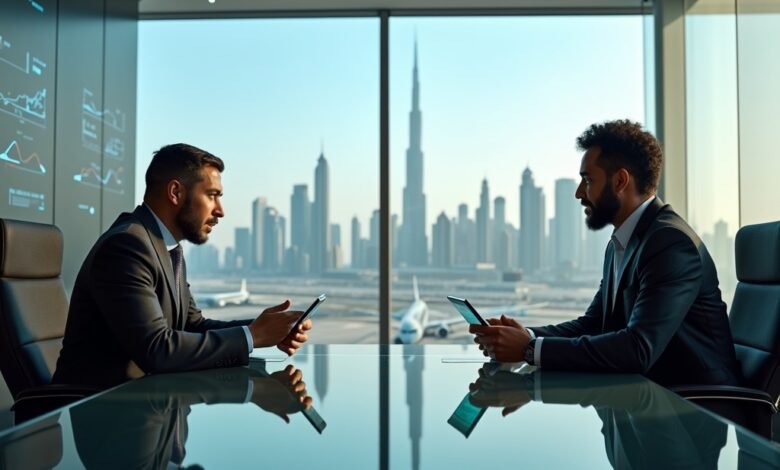
Dubai office rental prices have surged by an average of 15% in prime locations during Q1 2026. This significant increase has created a bifurcated market where certain business segments can still afford premium spaces while others face affordability challenges. The article examines market trends, affected areas, affordability segments, and strategic implications for businesses operating in Dubai’s competitive commercial real estate landscape.
Dubai Office Market Sees 15% Price Surge in Prime Locations
Dubai’s prime office locations have experienced a substantial price increase in Q1 2026. Data from commercial real estate firms shows an average 15% year-over-year rise in rental rates across key business districts. This represents a significant acceleration compared to the 5-8% increases observed in 2025.
The current average rental rate in prime Dubai locations stands at AED 220 per square foot annually. This marks a notable increase from the AED 191 rate recorded in Q1 2025 and exceeds pre-pandemic levels by approximately 20%. Secondary locations have seen more moderate increases of 8-10%, with average rates around AED 120 per square foot annually.
| District | Q1 2026 Rate (AED/sq ft/year) | YoY Increase | Compared to 2019 |
|---|---|---|---|
| DIFC | 280 | +18% | +25% |
| Downtown Dubai | 250 | +16% | +22% |
| Dubai Media City | 230 | +15% | +20% |
| Dubai Internet City | 220 | +14% | +18% |
| Jumeirah Business Bay | 200 | +12% | +15% |
District-by-District Rental Analysis
- DIFC continues to command the highest rates at AED 280 per square foot annually, reflecting its status as a premier financial hub with premium amenities and international business community.
- Downtown Dubai has seen a 16% increase to AED 250 per square foot, driven by its central location, luxury developments, and proximity to key attractions and transportation hubs.
- Dubai Media City and Dubai Internet City both experienced 14-15% increases, with rates now at AED 230 and AED 220 respectively, as media and tech companies continue to expand their presence.
- Jumeirah Business Bay offers relatively more affordable options at AED 200 per square foot, making it increasingly attractive to cost-conscious businesses seeking prestigious addresses.
- Emerging areas like Dubai South and Dubai Silicon Oasis maintain lower rates between AED 90-120 per square foot, providing alternatives for businesses with budget constraints.
Supply Constraints Driving Market Dynamics
Limited new supply in prime locations is a primary factor behind the rental increases. Commercial real estate brokers report that vacancy rates in premium areas have dropped to below 3%, creating intense competition for available space.
Demand has been particularly strong from technology companies and financial institutions expanding their operations in Dubai. This aligns with Dubai’s economic diversification efforts outlined in the Dubai 2040 Urban Master Plan, which aims to establish the emirate as a global business and innovation hub.
Analysts at Dubai’s real estate regulatory authorities note that the constrained supply pipeline in established business districts cannot meet current demand, putting upward pressure on rental prices.
Business Segments That Can Still Afford Prime Dubai Office Space
Certain business segments with strong financial positions can still afford premium office spaces in Dubai despite rising rental costs. These segments include multinational corporations, financial institutions, technology giants, government-linked entities, and high-profit-margin businesses that can absorb higher operational costs while maintaining their competitive advantage.
-
Multinational corporations maintain the capacity to afford premium office spaces due to their substantial budgets and global presence. These companies typically allocate significant portions of their real estate budgets to secure prestigious addresses that enhance their corporate image and facilitate client relationships.
Recent examples include several Fortune 500 companies that have renewed leases or expanded their footprints in DIFC and Downtown Dubai at current market rates. Their financial stability allows them to prioritize location over cost considerations.
-
Financial institutions including international banks, investment firms, and insurance companies continue to secure prime locations despite rising costs. The banking sector specifically values prestigious addresses for client meetings and regulatory compliance.
Major financial institutions have recently signed leases in DIFC at rates exceeding AED 280 per square foot, indicating their commitment to maintaining a strong physical presence in Dubai’s premier financial district.
-
Technology giants and innovation-focused companies can afford premium spaces due to their strong funding positions and strategic importance of location for talent acquisition. Companies like Google, Microsoft, and Amazon have maintained or expanded their Dubai footprints in prime locations.
These firms prioritize locations that facilitate networking with investors, partners, and talent, making the premium worth the investment despite rising costs.
-
Government-linked entities and semi-government organizations benefit from budget allocations that allow them to secure premium office spaces. These organizations often have long-term leases that provide stability in the market.
Many government entities have established their headquarters or major operational hubs in prestigious locations like DIFC and Downtown Dubai, reinforcing these areas as centers of economic activity.
-
High-profit-margin businesses in sectors like luxury retail, professional services, and specialized consulting can absorb higher rental costs due to their strong revenue streams. These companies often view premium locations as essential components of their business strategy.
Law firms, management consultancies, and financial advisors continue to secure premium spaces, recognizing that prestigious addresses contribute to their brand value and client acquisition efforts.
Multinational Corporations & Financial Institutions
Multinational corporations and financial institutions possess the financial capacity to absorb higher rental costs while maintaining their operations in prime locations. These large organizations typically have dedicated real estate budgets that account for premium pricing in prestigious districts.
Their need for prestigious addresses extends beyond mere office space requirements. Prime locations serve as strategic assets for client meetings, recruitment efforts, and corporate identity. Several multinational corporations have recently renewed or expanded their leases in DIFC at current market rates, demonstrating their commitment to maintaining a strong physical presence in Dubai.
Financial institutions particularly value locations in DIFC, which offers proximity to regulatory bodies and other financial services firms. Banks like HSBC, Standard Chartered, and Citi have maintained their headquarters in prime locations, with some recently signing leases at rates exceeding AED 280 per square foot annually.
Tech Giants & Innovation Hubs
Technology companies continue to secure premium office spaces in Dubai despite rising costs, driven by their strong funding positions and strategic importance of location for attracting talent and investors. Major tech firms like Google, Microsoft, Amazon, and IBM have maintained or expanded their footprints in prime locations.
These companies prioritize locations that facilitate networking with venture capitalists, potential partners, and skilled professionals. The concentration of tech companies in areas like Dubai Internet City and Dubai Media City creates synergies that benefit all participants, making the premium rental costs justifiable.
Recent expansions include several technology companies increasing their office space in Dubai Internet City by 20-30%, indicating confidence in the market and the strategic importance of maintaining a physical presence in the emirate’s tech ecosystem.
SMEs and Startups: The Affordability Challenge
Small and medium-sized enterprises (SMEs) and startups face significant challenges in securing affordable office space in prime Dubai locations. The current rental increases have made these areas increasingly inaccessible for businesses with limited budgets.
Data from Dubai’s Department of Economy and Tourism shows that approximately 65% of startups have been priced out of traditional prime office spaces since 2024. Many have shifted to more affordable districts like Dubai South, Dubai Silicon Oasis, or opted for flexible workspace solutions.
This shift is impacting Dubai’s startup ecosystem, with concerns emerging about the potential concentration of innovation in specific areas and reduced networking opportunities between startups and established businesses. The cost pressure is particularly acute for early-stage companies that need to allocate limited resources between office space and core business development.
Market Impact & Strategic Alternatives for Businesses
Rising office costs in Dubai are forcing businesses to reconsider their location strategies and operational models. Companies are exploring various alternatives to maintain their presence in Dubai while managing increasing real estate expenses. The market shift is accelerating innovation in workspace solutions and creating opportunities in emerging business districts.
The impact extends beyond immediate budget concerns, affecting business expansion plans, talent attraction strategies, and long-term location decisions. Companies must balance the prestige associated with prime locations with practical financial considerations as they navigate Dubai’s evolving commercial real estate landscape.
- Flexible workspace providers like WeWork, Regus, and local operators have reported increased demand from businesses seeking cost-effective alternatives to traditional leases. The flexible workspace market in Dubai has grown by approximately 25% since 2024.
- Emerging business districts such as Dubai South, Dubai Silicon Oasis, and Mohammed Bin Rashid City offer rental rates 30-50% lower than prime locations, with improving infrastructure and amenities.
- Hybrid work models have gained traction, allowing companies to reduce their physical footprint while maintaining operational efficiency. Many businesses have implemented space optimization strategies to accommodate flexible work arrangements.
- Mixed-use developments that combine office, residential, and retail spaces are becoming increasingly attractive, offering convenience and potentially better value than traditional office-only buildings.
Flexible Workspace Solutions Gaining Traction
Flexible workspace solutions are experiencing significant growth in Dubai as businesses seek alternatives to traditional leases in prime locations. Companies like WeWork, Regus, and local operators such as AstroLabs and The Bureau have reported increased demand since 2024.
The flexible workspace market in Dubai has grown by approximately 25% since 2024, with operators expanding their offerings and improving amenities to attract cost-conscious businesses. These solutions typically offer rental rates 20-30% lower than traditional office space in comparable locations.
Major corporations are increasingly adopting flexible workspace components in their real estate strategies, using them for satellite offices, project teams, or overflow space. This hybrid approach allows companies to maintain a prestigious address while optimizing their real estate portfolio and reducing overall occupancy costs.
Emerging Business Districts Offering Value
Emerging business districts in Dubai are offering attractive alternatives to prime locations, with rental rates 30-50% lower than established business hubs. These areas are experiencing infrastructure improvements and attracting growing business communities.
- Dubai South offers competitive rental rates starting from AED 90 per square foot annually, with excellent connectivity to Al Maktoum International Airport and future Expo City developments.
- Dubai Silicon Oasis provides technology-focused infrastructure with rates around AED 100-120 per square foot, supported by the Dubai government’s commitment to developing the technology sector.
- Mohammed Bin Rashid City (MBR City) is emerging as a mixed-use business hub with rates between AED 110-140 per square foot, offering proximity to Downtown Dubai while providing more affordable options.
- Dubai Production City offers specialized facilities for media and creative industries with rates around AED 100 per square foot, supported by the Dubai Media Free Zone Authority.
- Dubai Creek Harbour is developing as a premium business district with future potential, currently offering rates between AED 130-160 per square foot with significant planned infrastructure investment.
Expert Analysis: Market Trajectory and Government Response
Industry experts offer varying perspectives on Dubai’s office market trajectory, with most predicting continued moderate increases in prime locations through 2027. Analysts cite limited new supply, strong demand from established business sectors, and Dubai’s economic diversification efforts as key factors influencing market direction.
Government officials and regulatory bodies are monitoring the situation closely, with potential interventions under consideration to ensure market sustainability and accessibility for businesses of all sizes. The Real Estate Regulatory Agency (RERA) and Dubai’s Department of Economy and Tourism are assessing market dynamics and may implement measures to address affordability concerns.
Economists note that Dubai’s office market remains fundamentally strong, with the emirate’s strategic position as a global business hub supporting long-term demand. However, they caution that rapid price increases could eventually impact Dubai’s competitiveness if not carefully managed.
2026-2027 Market Predictions
Leading real estate firms predict that Dubai’s office market will continue its upward trajectory through 2027, though at a potentially moderated pace. JLL forecasts an additional 8-10% increase in prime location rental rates by Q1 2027, while CBRE anticipates a more conservative 5-7% growth.
Factors that could influence these trends include new supply coming to market in 2027, particularly in emerging districts like Dubai South and Mohammed Bin Rashid City. Additionally, global economic conditions and regional developments may impact business expansion plans and demand for office space.
Market analysts suggest that secondary locations may see more stability with potential for modest growth of 3-5% annually, as businesses increasingly explore alternatives to premium districts. This bifurcation between prime and secondary markets is expected to continue in the near term.
Government Initiatives and Regulatory Considerations
Dubai’s government agencies are actively monitoring the office rental market, with several potential initiatives under consideration to address affordability concerns. The Dubai Department of Economy and Tourism has indicated that maintaining a balanced market remains a priority.
The Real Estate Regulatory Agency (RERA) has implemented enhanced reporting requirements for rental transactions to improve market transparency. Additionally, discussions are underway about potential incentives for businesses establishing operations in emerging districts, which could help distribute demand more evenly across Dubai’s commercial real estate landscape.
Dubai’s Chamber of Commerce has proposed several recommendations including establishing a business relocation assistance program and creating mixed-use developments that combine affordable office spaces with other amenities. These initiatives aim to support SMEs while maintaining Dubai’s reputation as a premium business destination.
What Rising Office Costs Mean for Dubai’s Business Ecosystem
Rising office costs in Dubai are creating significant implications for the emirate’s business ecosystem and competitive position. The increasing expense of prime office space could potentially impact Dubai’s attractiveness to international businesses and entrepreneurs if not carefully managed.
The trend is contributing to a more stratified business landscape, where larger corporations maintain prestigious addresses while smaller businesses cluster in more affordable areas. This spatial separation could impact networking opportunities, knowledge sharing, and the overall vibrancy of Dubai’s business community.
However, market observers note that Dubai’s strategic advantages, including its tax environment, infrastructure, and international connectivity, continue to outweigh office cost considerations for many businesses. The challenge lies in balancing these advantages with the need to maintain accessibility for businesses of all sizes.
Impact on Dubai’s Competitive Position
When compared to other global business hubs, Dubai’s office rental costs remain competitive despite recent increases. Prime locations in Dubai are still approximately 15-20% less expensive than comparable areas in London’s West End or New York’s Midtown.
Singapore’s central business district commands similar premium rates to Dubai’s prime locations, with average rental prices around AED 260 per square foot annually. Hong Kong’s Central district remains significantly more expensive at approximately AED 350 per square foot.
Market analysts suggest that Dubai’s value proposition extends beyond office costs to include tax advantages, infrastructure quality, and lifestyle factors. However, the accelerating rental increases could eventually impact the emirate’s competitiveness if not balanced with strategic initiatives to maintain accessibility for diverse business segments.
Balancing Prestige and Accessibility
Dubai faces the challenge of maintaining its reputation as a premium business location while ensuring accessibility for businesses of all sizes. This balancing act is crucial for preserving the emirate’s diverse business ecosystem and supporting its economic diversification goals.
Potential strategies include developing tiered business districts with varying price points, enhancing infrastructure in emerging areas, and supporting flexible workspace solutions that offer prestigious addresses without the full cost of traditional leases.
Industry experts suggest that Dubai could leverage its experience with free zones to create specialized business environments with tailored regulatory frameworks and support services. This approach would allow the emirate to maintain its premium positioning while providing accessible options for businesses at different stages of development.
Strategic Recommendations for Businesses Facing Rising Office Costs
Businesses operating in Dubai’s current office market must adopt strategic approaches to manage rising rental costs while maintaining operational effectiveness and competitive positioning. The following recommendations offer practical guidance for navigating the evolving commercial real estate landscape.
-
Conduct comprehensive space utilization assessments to identify opportunities for footprint optimization. Many companies can reduce their required space by 20-30% through better space planning and implementation of hot-desking and hoteling arrangements.
Utilize workplace analytics to understand actual space usage patterns and identify underutilized areas. This data-driven approach allows for evidence-based decisions about space requirements and can significantly reduce occupancy costs.
-
Consider flexible lease structures that align with business needs and market conditions. Options include phased expansion clauses, break options, and revenue-based rent provisions that provide flexibility as business conditions change.
Negotiate favorable terms including extended rent-free periods, phased rental increases, and improvement allowances that can offset initial costs. Market timing is crucial, with potentially better terms available during seasonal slowdowns.
-
Explore alternative locations that offer better value while maintaining accessibility to key markets and talent. Emerging districts like Dubai South and Dubai Silicon Oasis offer significant cost savings with improving infrastructure and amenities.
Consider satellite offices in secondary locations with a smaller premium address for client-facing activities. This hybrid approach can reduce overall occupancy costs while maintaining the prestige associated with a prime location presence.
-
Implement hybrid work models that reduce reliance on physical office space. Studies show that most companies can effectively operate with 40-60% office space utilization through strategic implementation of remote and flexible work arrangements.
Develop clear policies and protocols for hybrid work to ensure productivity and maintain company culture. Invest in technology infrastructure that supports seamless collaboration between in-office and remote team members.
-
Evaluate flexible workspace solutions as part of a comprehensive real estate strategy. These options provide cost-effective alternatives to traditional leases while offering scalability and prime location access.
Consider a mixed approach combining traditional office space with flexible workspace components for specific needs like project teams, overflow space, or satellite locations. This strategy provides both stability and flexibility.
Lease Negotiation Strategies
- Market timing is crucial for lease negotiations, with potentially better terms available during seasonal slowdowns or periods of increased availability in specific districts.
- Negotiate extended rent-free periods, particularly when signing longer leases, to offset initial occupancy costs and provide time for business establishment.
- Include improvement allowances in lease agreements to cover fit-out costs, reducing the total investment required to occupy the space.
- Consider phased rental increases that align with projected business growth rather than front-loading costs.
- Incorporate break options that provide flexibility if business conditions change or the space no longer meets requirements.
- Explore assignment and sublease provisions that offer options to downsize or relocate if necessary without significant penalties.
Space Optimization and Flexible Work Models
Companies successfully reducing their office footprint while maintaining productivity typically implement comprehensive space optimization strategies. These approaches include activity-based working environments, hot-desking systems, and dedicated collaboration spaces that replace traditional assigned seating.
Case studies from Dubai-based companies show that businesses in sectors like technology, professional services, and finance have reduced their space requirements by 25-40% through strategic implementation of flexible work models. These companies report maintained or improved productivity while significantly reducing occupancy costs.
Successful space optimization requires careful planning and change management. Companies should involve employees in the design process, provide adequate training on new workplace protocols, and invest in technology that supports seamless collaboration between in-office and remote team members.
Frequently Asked Questions
How much have Dubai office rental prices increased in 2026?
Prime locations in Dubai have seen approximately 15% increase year-over-year in Q1 2026, with variations by district. DIFC recorded the highest increase at 18%, while secondary locations saw more moderate increases of 8-10%.
Which Dubai business districts have the highest office rental prices?
DIFC, Downtown Dubai, and Dubai Media City command the highest rates due to their prestige, amenities, and central locations. DIFC leads with rates at AED 280 per square foot annually, followed by Downtown Dubai at AED 250 and Dubai Media City at AED 230.
Can small businesses still afford office space in prime Dubai locations?
Most SMEs are being priced out of prime locations, with many shifting to secondary districts or flexible workspaces. Approximately 65% of startups have moved to more affordable areas since 2024 due to rising costs in premium districts.
What alternatives are available for businesses that can’t afford prime office space?
Flexible workspaces, emerging business districts, and hybrid work models offer cost-effective alternatives. Companies are utilizing WeWork, Regus, and local operators, or relocating to areas like Dubai South and Dubai Silicon Oasis with 30-50% lower rental rates.
Will Dubai office rental prices continue to rise in 2027?
Experts predict continued modest increases in prime locations while secondary areas may see more stability. JLL forecasts an additional 8-10% increase in prime location rental rates by Q1 2027, with secondary locations potentially growing at a more moderate 3-5%.
Final Thoughts
Dubai’s office rental prices are rising significantly, particularly in prime locations, creating a bifurcated market where larger corporations can still afford premium spaces while smaller businesses face challenges. The 15% increase in Q1 2026 reflects strong demand and limited supply in established business districts.
Strategic location decisions have become increasingly important for businesses operating in Dubai’s competitive market. Companies must balance the prestige associated with prime locations with practical financial considerations while exploring alternatives like flexible workspaces and emerging business districts.
Dubai Times will continue to monitor this developing story and provide ongoing coverage of market trends and business implications in the UAE. Businesses facing rising office costs should regularly reassess their real estate strategies and consider the full range of options available in Dubai’s diverse commercial real estate landscape.