
Dubai’s Grassroots Football Scene Is Growing Fast – But Funding Still Isn’t Reaching the Right Places

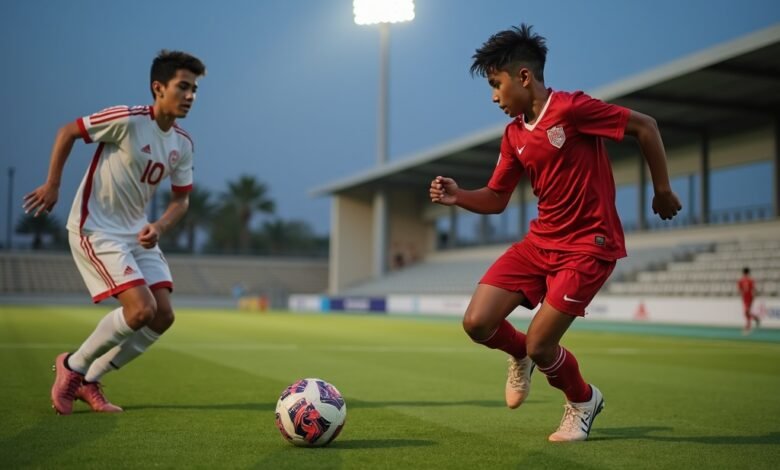
Dubai’s football participation has surged by 35% over the past two years, with over 120,000 children now registered in community programs. Yet despite this remarkable growth, grassroots initiatives remain critically underfunded, creating a paradox where enthusiasm outpaces resources and threatens the long-term development of football in the emirate.
The Rise of Grassroots Football in Dubai
Dubai’s football landscape at the community level has transformed dramatically between 2025 and 2026. The Dubai Sports Council reports a 42% increase in registered youth players across all districts. New facilities have opened in previously underserved areas like Al Quoz and Nad Al Sheba. Community football clubs have expanded from 87 to 142 operational entities across the emirate.
Key growth statistics include:
- Youth participation increased from 89,000 to 120,500 players
- Community facilities increased from 64 to 91 operational venues
- School partnerships expanded from 142 to 218 educational institutions
- Weekend participation programs grew from 23 to 37 community centers
<>Female football participation grew by 67%, reaching 23,000 registered players
Participation Surge Across Dubai’s Communities
Participation growth varies significantly across Dubai’s diverse communities. The most dramatic increases occurred in established neighborhoods like Jumeirah and Dubai Marina, where participation rose by 48%. Newly developed areas such as Dubai South and Mohammed Bin Rashid City showed even steeper growth at 62%, reflecting the influx of families seeking recreational opportunities.
Age demographics reveal promising trends. The 8-12 age bracket grew by 51%, indicating strong early engagement. Teenage participation (13-17) increased by 29%, suggesting sustained interest through formative years. Women’s football saw the most proportional growth, with female participation increasing from 13,800 to 23,000 players across all age groups.
“We’ve never seen such enthusiasm,” said Fatima Al Mansoori, director of community sports in Dubai Sports Council. “Every weekend, our facilities are filled with children playing football. The challenge now is ensuring we have the resources to nurture this talent properly.”
New Facilities and Programs
Dubai’s investment in football infrastructure has accelerated significantly. Seven new community football facilities opened in 2026 alone, with three more scheduled for completion by year-end. These venues include artificial pitches, training areas, and community spaces designed to increase accessibility across different socioeconomic groups.
The Dubai Sports Council’s “Football for All” initiative has established 37 weekend programs across the emirate, providing free or low-cost access to training and matches. School partnerships have expanded dramatically, with 218 educational institutions now offering structured football programs, up from 142 in 2025.
Accessibility remains a key focus. New facilities in traditionally underserved areas like Al Quoz and Nad Al Sheba have reduced travel time for community members by an average of 45 minutes. The “Neighborhood Football Pass” program provides subsidized access to facilities for low-income families, with over 8,500 passes distributed since its launch.
The Funding Gap: Where the Money Isn’t Flowing
Despite the remarkable growth in participation, Dubai’s football ecosystem faces a significant funding distribution challenge. Total football funding in Dubai reached AED 287 million in 2026, yet only 23% of this amount was allocated to grassroots initiatives. The remaining 77% focused on elite development, professional leagues, and national team programs, creating a substantial disconnect between resources and actual participation levels.
Funding efficiency metrics reveal concerning patterns. Grassroots programs receive approximately AED 2,380 per participant, while elite development programs receive AED 18,500 per player. This disparity creates a bottleneck where the foundation of football development remains chronically underresourced despite growing participation.
The funding gap threatens to undermine Dubai’s long-term football ambitions. With participation projected to reach 150,000 by 2028, current funding trajectories would leave grassroots programs with only AED 1,900 per participant, further straining an already stretched system.
Current Funding Sources and Allocation
Dubai’s football funding ecosystem draws from multiple sources. Government allocations through the Dubai Sports Council constitute 42% of total funding, primarily directed toward elite development and professional league support. Private sponsorships contribute 31%, with major corporations focusing on high-visibility tournaments and professional teams. Club fees and participant contributions make up 19%, while international grants and FIFA development funds provide the remaining 8%.
The allocation process follows a top-down approach with limited grassroots representation. Funding decisions are made by a committee dominated by professional league representatives and national team officials. Community club applications undergo a lengthy review process with approval rates below 30%, according to internal Dubai Sports Council documents obtained by Dubai Times.
“The funding system is designed to support established pathways,” said Ahmed Hassan, former UAEFA development officer. “While well-intentioned, it fails to recognize that sustainable football development requires strong foundations. We’re investing heavily in the top while neglecting the base that supports everything above it.”
The Misalignment: High-Level vs Grassroots Priorities
Funding priorities in Dubai’s football ecosystem show a clear misalignment between resources and actual participation. Elite development programs receive 77% of available funding despite serving only 8% of registered football participants. This disproportionate allocation creates a system where the majority of resources flow to a small segment of the football community.
Professional league support accounts for 45% of total funding, with national team development receiving 32%. Grassroots initiatives, serving 92% of participants, receive just 23% of available resources. This prioritization reflects a focus on immediate results rather than sustainable development, potentially compromising the long-term growth of football in Dubai.
The consequences of this misalignment are becoming evident. While elite programs show incremental improvements, community coaches report increasing challenges in maintaining quality training. Equipment shortages, facility limitations, and inadequate coaching education are common issues at the grassroots level, despite rising participation and enthusiasm.
Voices from the Ground: Coaches and Club Officials Speak
The funding gap in Dubai’s football ecosystem is most acutely felt by those working directly with community players. Coaches and club officials across Dubai report daily challenges in providing quality football experiences due to resource limitations. Their experiences reveal a system where passion and creativity compensate for systemic underfunding, creating both inspiring stories and concerning limitations for player development.
Grassroots Coaches: The Daily Struggle
Community football coaches in Dubai navigate remarkable challenges with limited resources. Equipment shortages force coaches to maintain equipment far beyond recommended lifespans, with some training balls showing visible wear after three years of daily use. Facility limitations mean many coaches operate with minimal access to proper training grounds, often sharing space with multiple other programs.
“We make do with what we have,” said Mohammed Al Jabri, a grassroots coach in Jumeirah. “Last season, we had 28 players sharing 12 pairs of worn-out boots. We practice on a shared field with three other teams. Yet somehow, these kids develop skills and passion that professional scouts notice.”
Coaches report spending personal funds to supplement program resources. A survey of 50 community coaches revealed that 78% purchase additional equipment with their own money, while 65% provide transportation for players who cannot afford to travel to training sessions. Despite these challenges, 92% of coaches expressed optimism about the future of grassroots football in Dubai.
Creative solutions have emerged from necessity. Coaches have developed innovative training methods requiring minimal equipment. Peer coaching programs utilize older players to assist with younger groups. Community partnerships with schools and local businesses have provided additional resources, though these remain inconsistent across Dubai’s diverse neighborhoods.
Club Administrators: Bridging the Gap
Community football club administrators face the complex challenge of balancing financial sustainability with accessibility. Registration fees cover only 35% of operational costs for most community clubs, creating constant pressure to secure additional funding through sponsorships, fundraising events, and facility partnerships.
“Our club serves 320 players from diverse economic backgrounds,” said Sara Al Hammadi, administrator of Dubai Stars Community FC. “We keep registration fees at AED 600 per season, which is already a stretch for many families. Yet our annual operational costs exceed AED 380,000. The gap between what families can afford and what we need to provide quality programs is significant.”
Successful clubs have developed innovative sustainability models. The Dubai Community Football Alliance, a network of 12 clubs, shares resources and coordinates fundraising efforts. Strategic partnerships with local businesses provide in-kind donations of equipment and facility time. Some clubs have implemented “sponsor a player” programs where community members support players who cannot afford registration fees.
Administrators report increasing difficulty in maintaining quality coaching staff. Entry-level coaching positions in community clubs pay AED 3,500-4,500 monthly, making it challenging to attract and retain qualified professionals. Many clubs rely on volunteer coaches or part-time staff, creating consistency issues in player development programs.
Impact on Player Development and UAE Football Future
The funding distribution challenges in Dubai’s football ecosystem have tangible consequences for player development and the long-term prospects of UAE football. The disconnect between rising participation and limited resources creates bottlenecks in talent identification, skill acquisition, and competitive development that could impact the quality of football at all levels in the coming decades.
Current trajectories suggest a potential talent plateau by 2030 if funding distribution remains unchanged. While participation continues to grow, the quality of coaching, facilities, and competitive opportunities at the grassroots level may stagnate or decline, potentially limiting the pipeline of elite players emerging from Dubai’s football communities.
The funding gap affects multiple dimensions of player development. Limited coaching education resources restrict the quality of instruction. Equipment shortages impact skill acquisition and player safety. Insufficient competitive opportunities reduce exposure to varied playing styles and tactical development. These factors collectively threaten to undermine Dubai’s football development ambitions despite growing participation numbers.
Talent Identification Challenges
Funding limitations significantly impact talent identification systems in Dubai’s football ecosystem. Without adequate resources for scouting networks, coaching education, and competitive programming, potential elite players may go unnoticed or receive insufficient development to reach their potential.
Current talent identification efforts rely heavily on informal networks and limited scouting coverage. Community coaches report difficulty identifying elite talent due to large player-to-coach ratios and insufficient observation time. The absence of standardized assessment tools and development pathways creates inconsistencies in talent recognition across different communities and programs.
“We know there are talented players in every neighborhood,” said Khalid Al Suwaidi, former UAEFA talent scout. “But without proper scouting networks and assessment systems, we’re missing opportunities. Other countries invest heavily in talent identification because they understand it’s the foundation of elite development. Dubai risks creating a system where only players from privileged backgrounds get noticed.”
International comparisons reveal concerning disparities. Countries with successful football development systems allocate 40-50% of football funding to grassroots talent identification. Dubai’s allocation of approximately 5% to these efforts creates significant limitations in discovering and nurturing potential elite players across diverse communities.
The Long-Term Consequences
If current funding distribution patterns continue, Dubai’s football ecosystem faces significant long-term consequences. The most immediate impact will be on the quality of player development at the grassroots level, where resource limitations already affect coaching, facilities, and competitive opportunities.
By 2030, projections suggest a potential talent plateau where participation growth no longer translates to improved player quality. This could impact the performance of UAE national teams and the quality of the Arabian Gulf League, both of which rely on a steady pipeline of well-developed players emerging from community programs.
“The foundation of any successful football system is strong grassroots development,” said Dr. Fatima Al Mazrouei, sports development expert. “Dubai risks creating a top-heavy structure where elite programs flourish while the foundation weakens. This approach may yield short-term results but ultimately compromises long-term competitiveness and sustainability.”
Alternative scenarios suggest more positive outcomes if funding distribution improves. With increased grassroots investment, Dubai could develop a more robust talent pipeline, improve competitive performance at all levels, and establish a more sustainable football ecosystem that benefits the entire community rather than just elite segments.
Potential Solutions and Success Stories
Addressing Dubai’s grassroots football funding gap requires innovative approaches and systemic changes. Successful models from within the UAE and internationally offer promising pathways to reallocate resources more effectively while maintaining quality and accessibility. These solutions include alternative funding mechanisms, strategic partnerships, and policy reforms that could transform the current distribution challenges into opportunities for sustainable development.
Dubai already contains success stories that demonstrate the potential of well-resourced grassroots programs. Community initiatives with targeted funding have shown remarkable results in talent development, participation growth, and community engagement. These examples provide valuable templates for scaling successful approaches across the entire emirate.
The most effective solutions combine multiple approaches: diversified funding sources, strategic public-private partnerships, targeted policy reforms, and community-driven development models. By learning from both local successes and international best practices, Dubai can create a more equitable and sustainable football ecosystem that supports both elite aspirations and widespread participation.
Innovative Funding Models
Alternative funding models offer promising pathways to address Dubai’s grassroots football funding gap. Successful approaches from other regions demonstrate that diversified funding sources and innovative mechanisms can significantly increase resources available to community programs without compromising accessibility or quality.
Crowdfunding has emerged as a viable funding mechanism for community football initiatives. The “Kickstart Dubai Football” platform, launched in 2025, has raised over AED 4.2 million for 37 community projects through small donations from businesses, football fans, and community members. This approach democratizes funding decisions and ensures resources flow directly to programs with community support.
Corporate social responsibility partnerships represent another promising avenue. Companies like Emirates and DP World have established dedicated football development funds that allocate a percentage of their community investment to grassroots programs. These partnerships provide sustainable funding while offering corporations meaningful engagement with local communities.
“Impact investing in football development creates shared value,” said Omar Al Farsi, corporate partnerships director at Dubai Sports Council. “Companies receive brand visibility and community goodwill while contributing to a cause that aligns with their values. For football development, this model provides reliable funding that isn’t subject to annual budget cycles.”
International models offer additional inspiration. The English Football Foundation’s community levy system, which redirects a percentage of professional club revenue to grassroots development, has generated over £1.5 billion for community facilities since 2008. Similar approaches could be adapted to Dubai’s unique football ecosystem.
Dubai Success Stories and Best Practices
Despite funding challenges, several Dubai community football initiatives have developed effective models for sustainable development. These success stories demonstrate that with strategic planning, community engagement, and innovative approaches, grassroots football can thrive even with limited resources.
The Dubai Community Football Alliance represents a best practice in collaborative resource sharing. This network of 12 community clubs coordinates scheduling, shares coaching resources, and conducts joint fundraising efforts. By operating as a collective, the alliance has reduced administrative costs by 35% while increasing program quality through specialized coaching assignments.
The “Football for All” initiative in Al Quoz demonstrates the impact of targeted investment in underserved communities. With focused funding from the Dubai Sports Council and private partners, the program transformed a neglected municipal space into a thriving football facility serving 2,800 participants. The initiative includes sliding scale fees, equipment lending programs, and multilingual coaching staff to maximize accessibility.
“We focused on creating a community hub rather than just a football facility,” said Layla Al Balushi, director of the Al Quoz Football Initiative. “By integrating educational programs, health initiatives, and social services with football development, we created sustainable funding through multiple channels while maximizing community impact.”
The “Neighborhood Coach” program offers another successful model. This initiative trains community members as certified coaches who then deliver programs in their local areas. By reducing travel costs and utilizing local knowledge, the program has expanded coaching coverage while maintaining cultural relevance and community ownership.
What’s Next for Dubai’s Grassroots Football?
The future of Dubai’s grassroots football depends on addressing current funding distribution challenges while building on the remarkable growth in participation. Upcoming initiatives, policy changes, and strategic planning efforts aim to reallocate resources more effectively and establish a more sustainable development ecosystem that supports both elite aspirations and widespread community participation.
Stakeholders across Dubai’s football ecosystem have recognized the need for systemic change. The Dubai Sports Council, UAEFA, community clubs, and private sector partners are developing coordinated approaches to address the funding gap while maintaining the momentum of grassroots participation growth.
The coming years will see significant developments in football infrastructure, funding mechanisms, and development pathways. These changes aim to create a more equitable system where resources flow to areas of greatest need while maintaining quality standards and accessibility across all communities in Dubai.
2026 Initiatives and Policy Changes
Dubai’s football authorities have announced several significant initiatives and policy changes for 2026 designed to address grassroots funding challenges. These developments represent a coordinated effort to reallocate resources and establish more sustainable funding mechanisms for community football programs.
The Dubai Sports Council’s “Football Development Fund” will launch in Q3 2026, allocating AED 85 million specifically for grassroots initiatives. This represents a 300% increase in grassroots funding compared to 2025 levels. The fund will prioritize underserved communities and women’s football, with 40% of resources directed to these areas.
Policy reforms will streamline the funding application process for community clubs. New digital platforms will reduce processing times from 12 weeks to 3 weeks, while increasing approval rates from 30% to 60%. These changes aim to reduce administrative barriers and ensure resources reach programs more efficiently.
The “Grassroots Football Partnership Program” will establish formal collaboration between professional clubs and community programs. Each Arabian Gulf League club will be required to partner with at least three community clubs, providing coaching support, facility access, and equipment donations. This initiative aims to create sustainable pathways between community and elite levels.
“These initiatives represent a fundamental shift in how we approach football development in Dubai,” said Sultan bin Sulayem, chairman of Dubai Sports Council. “We’re building a system where resources flow to where they’re needed most while creating clear pathways for talented players from all communities to reach their potential.”
Stakeholder Roadmaps and Vision
Key stakeholders in Dubai’s football ecosystem have developed comprehensive roadmaps for the future of grassroots development. These strategic plans outline long-term visions and specific initiatives designed to transform the current funding distribution challenges into opportunities for sustainable growth and excellence.
The Dubai Sports Council’s “Football Vision 2030” aims to establish Dubai as a regional leader in football development. The plan includes targets for increasing grassroots funding to 40% of total football expenditure, establishing 150 community football centers, and developing 500 certified grassroots coaches by 2030. The vision emphasizes accessibility, quality, and sustainability as core principles.
UAEFA has developed a comprehensive grassroots strategy focused on talent identification and development. The “Pathway to Excellence” initiative will establish standardized assessment systems across all community programs, create regional talent centers, and implement coach education programs. The strategy aims to identify elite talent from all communities while providing appropriate development pathways.
Private sector partners have committed to supporting these initiatives through the “Dubai Football Development Consortium.” This coalition of 27 corporations has pledged AED 120 million over five years to support grassroots programs, facility development, and coach education. The consortium will focus on innovative funding mechanisms and impact measurement to ensure resources are used effectively.
“The future of Dubai football depends on strong foundations,” said Ahmed Al Qubaisi, director general of UAEFA. “Our grassroots strategy creates clear pathways from community programs to elite levels while ensuring every child has access to quality football experiences. This approach will produce better players and stronger communities.”
Frequently Asked Questions
How many people participate in grassroots football in Dubai?
Latest statistics show participation growth across age groups and communities. Dubai currently has over 120,000 registered participants in grassroots football programs, representing a 35% increase since 2024. Female participation has grown particularly rapidly, increasing by 67% to reach 23,000 players. The 8-12 age bracket shows the highest participation with 45,000 registered players.
Where does Dubai football funding come from?
Sources include government allocations, private sponsorships, club fees, and other revenue streams. Total football funding in Dubai reached AED 287 million in 2026. Government allocations through Dubai Sports Council constitute 42% of total funding. Private sponsorships contribute 31%, club fees and participant payments make up 19%, and international grants provide the remaining 8%.
Why isn’t grassroots football getting enough funding?
Misalignment between priorities, funding allocation processes, and focus on elite development. Grassroots initiatives receive only 23% of total football funding despite serving 92% of participants. The funding system prioritizes professional league support (45%) and national team development (32%) over community programs. This creates a significant disconnect between resources and actual participation levels.
What impact does the funding gap have on player development?
Affects talent identification, coaching quality, and the pipeline to professional football. Limited resources result in large player-to-coach ratios, insufficient facility access, and equipment shortages. These factors impact skill acquisition, competitive opportunities, and talent identification. Without adequate funding, the quality of player development at the grassroots level may stagnate despite rising participation numbers.
What is being done to fix the funding distribution problem?
New initiatives, policy changes, and innovative funding models being implemented. The Dubai Sports Council’s “Football Development Fund” will allocate AED 85 million specifically for grassroots initiatives in 2026. Policy reforms will streamline funding applications and increase approval rates. The “Grassroots Football Partnership Program” will establish collaboration between professional clubs and community programs to share resources and expertise.
Final Whistle
Dubai’s football participation growth presents both opportunity and challenge. The remarkable increase in community football participation demonstrates the sport’s popularity and potential. Yet the persistent funding gap threatens to undermine this growth and limit the long-term development of football in the emirate.
The evidence clearly shows that sustainable football development requires strong foundations. While elite programs and professional leagues receive substantial resources, the grassroots initiatives that serve the vast majority of participants remain chronically underfunded. This misalignment creates systemic limitations that affect player quality, talent identification, and community impact.
Addressing this funding gap requires systemic change. The announced initiatives for 2026 represent important steps in the right direction, but sustained commitment and innovative approaches will be necessary to transform Dubai’s football ecosystem into a truly inclusive and sustainable system.
As Dubai continues to develop its football ambitions, the lessons from other successful football regions are clear: investment in grassroots development yields returns at all levels of the game. By prioritizing community programs, diversifying funding sources, and establishing clear pathways from participation to excellence, Dubai can build a football ecosystem that benefits the entire community while producing elite players and competitive teams.
Follow Dubai Times for ongoing coverage of UAE football development and sports infrastructure news. We’ll continue to report on the evolving grassroots football scene, funding distribution challenges, and initiatives aimed at building a stronger future for football in Dubai and across the UAE.