
The UAE Athlete Pipeline Is Expanding – But Elite Results Are Still Lagging Behind

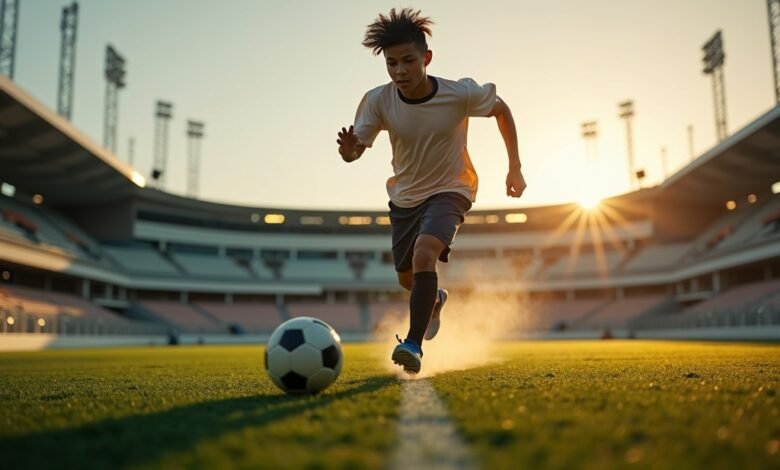
Despite billions invested in sports development programs and state-of-the-art facilities, UAE athletes continue to struggle on the international stage. The nation has built impressive sports infrastructure yet fails to convert participation into elite results, creating a paradox that demands examination.
The UAE has launched ambitious initiatives across multiple sports. Yet national teams rarely advance beyond group stages in major tournaments. Individual athletes occasionally break through but rarely sustain top-tier rankings. This disconnect between investment and results defines UAE’s sports development challenge.
The Expanding UAE Sports Infrastructure
The UAE has transformed its sports landscape over the past decade. Billions have been invested in creating world-class facilities and development programs. Participation has surged across all sports and age groups. The nation now boasts one of the most comprehensive sports development infrastructures in the region.
Key initiatives include specialized sports academies, expanded school sports programs, and dedicated high-performance centers. The Dubai Sports Council and Abu Dhabi Sports Council have spearheaded this growth. They have established clear pathways for young athletes to progress from participation to elite levels.
Government-Led Sports Development Initiatives
The Dubai Sports Council has allocated AED 2.3 billion for sports development since 2015. Their initiatives include the Dubai Sports Schools program and the Dubai Elite Athlete Program. The Abu Dhabi Sports Council has invested AED 1.8 billion in similar programs across the emirate.
The UAE National Olympic Committee coordinates these efforts through the UAE Elite Athletes Support Program. This program provides financial backing, medical support, and training resources to identified talent. Since 2020, over 1,200 athletes have received support through this initiative.
Private Sector and Sports Academy Boom
- Aspire Academy in Doha has inspired similar developments in Abu Dhabi with the creation of the Abu Dhabi Sports Hub
- Manchester City Football Club established a youth academy in Abu Dhabi in 2018
- The Dubai Golf Academy has expanded to three locations since 2020
- Private swimming academies like Dubai Wave have grown by 40% since 2021
- Tennis academies including Dubai Duty Free Tennis Academy have doubled capacity
- Corporate sponsorships of youth sports programs have increased by 65% since 2019
Elite Performance Gap: The Numbers Don’t Lie
The UAE has built impressive sports infrastructure yet elite international results remain elusive. Despite increased participation and investment, UAE national teams rarely advance beyond group stages in major tournaments. The data reveals a stark contrast between development investment and competitive performance.
Participation numbers show significant growth across sports. Elite performance metrics tell a different story. UAE athletes struggle to break into world top 50 rankings. National teams consistently underperform against nations with similar resources.
UAE National Teams: Recent Tournament Results
| Tournament | Year | UAE Result | Context |
|---|---|---|---|
| AFC Asian Cup | 2023 | Group Stage | Failed to advance despite hosting 2027 edition |
| Asian Games | 2022 | Outside Top 15 | Finished below Qatar and Kuwait |
| World Cup Qualifiers | 2022 | First Round | Eliminated by Vietnam and Malaysia |
| Swimming World Championships | 2023 | No Finals | 0 swimmers in top 8 globally |
| Tennis Davis Cup | 2023 | Group Stage | Lost to Pakistan and Sri Lanka |
Individual Athletes: Breaking Through the Elite Barrier
Despite a population of nearly 10 million, the UAE has produced only a handful of athletes consistently ranked in the world’s top 50. Mohammed Obaid Al Hathrout stands as an exception in squash, currently ranked 28th globally. Ahmed Al Mukaini has reached world No. 42 in table tennis.
Most UAE athletes struggle to maintain elite status. They often show promise early but fail to progress against international competition. The development pipeline produces talented individuals who rarely reach their potential on the world stage.
Why the Pipeline Isn’t Producing Elite Results
The disconnect between UAE’s sports development infrastructure and elite performance stems from systemic challenges. These include coaching quality issues, cultural factors around sports participation, flawed development pathways, and insufficient competition levels in domestic leagues.
These factors combine to create an environment where talent is identified but not fully developed. The UAE has successfully increased participation numbers but failed to create the competitive ecosystem necessary to produce world-class athletes consistently.
Coaching Development and Expertise Gap
UAE sports programs face significant challenges in coaching quality. The UAE Football Association has implemented coaching certification standards, but the implementation has been inconsistent. Many elite-level positions continue to rely heavily on expat coaches with limited knowledge of local athlete development needs.
The UAE National Olympic Committee has established coaching development programs, but these have reached only a fraction of the coaches working with young athletes. There remains a gap between coaching certification and practical expertise at the highest levels of competition.
Cultural and Educational Factors
Cultural attitudes toward sports significantly impact athlete development in the UAE. Educational pressures often lead parents to prioritize academic achievements over sports careers. The perception of sports as a secondary career option limits the pool of dedicated athletes.
This cultural factor contrasts with sporting nations that consistently produce elite athletes. Countries like Australia and the Netherlands have integrated sports into their national identity, creating a culture where excellence is expected and supported across all levels of society.
Competition Level and Development Pathways
The UAE’s domestic competitions lack the intensity required to develop elite athletes. While participation has increased, the quality of competition remains below international standards. Athletes often advance through development pathways without facing sufficient challenges.
The structure of UAE sports leagues creates a gap between youth development and professional competition. Athletes transition from academies to senior teams without experiencing the gradual increase in competition levels that characterizes successful sporting nations.
Learning from Global Best Practices
Several countries with smaller populations than the UAE have achieved remarkable success in elite sports. Australia, Netherlands, and New Zealand have developed systems that consistently produce world-class athletes despite population constraints. Their approaches offer valuable lessons for UAE sports development.
These successful models focus on talent identification, specialized development pathways, and creating competitive environments that challenge athletes at every stage. They emphasize quality over quantity in sports development, focusing resources on sports where their athletes have the greatest potential for international success.
Small Nations, Big Impact: Models That Work
The Netherlands has achieved remarkable success with a population of just 17 million. Their sports system emphasizes early talent identification and specialized development. The Dutch approach focuses on creating technically skilled athletes who can adapt to different competitive situations.
Australia’s “Winning Edge” strategy targets sports where they can achieve global dominance. Their system integrates elite development pathways with scientific research and performance analysis. This targeted approach has made Australia one of the most successful sporting nations per capita.
Qatar’s Sports Transformation: Lessons for the UAE
Qatar has implemented a comprehensive sports development strategy that has yielded significant results. Their approach includes elite academies like Aspire Academy, targeted investments in specific sports, and hosting major international events to raise performance standards.
The Qatari model emphasizes creating high-performance environments from an early age. Their athletes train alongside international competitors and benefit from world-class facilities and coaching. This approach has helped Qatar achieve success in football, athletics, and other sports despite its small population.
The Road Ahead: Closing the Performance Gap
Closing the gap between UAE’s sports development infrastructure and elite performance requires strategic adjustments. These include refining talent identification processes, improving coaching quality, restructuring competition pathways, and establishing new metrics for success beyond participation numbers.
The UAE must shift from focusing solely on infrastructure investment to creating a comprehensive ecosystem that develops athletes from identification to elite performance. This requires coordinated efforts across all sports federations and alignment with global best practices.
Strategic Priorities for UAE Sports Federations
- Refine talent identification systems to identify potential elite athletes earlier in development
- Establish coaching development pathways with international certification requirements
- Create competitive structures that challenge athletes at each developmental stage
- Develop specialized support systems for elite athletes including sports science and medicine
- Focus resources on sports with the highest potential for international success
Measuring Success Beyond Participation
The UAE must establish new metrics for evaluating sports development success. These should include world ranking improvements, medal potential at international tournaments, and progression through competitive levels. Participation numbers alone cannot measure the effectiveness of development programs.
Success metrics should track athlete development from youth to senior levels. They should measure performance against international benchmarks rather than against domestic competitors. This shift in focus would align UAE sports development with the goal of producing elite international performers.
2026: The Critical Juncture for UAE Sports
As of 2026, UAE sports development stands at a critical juncture. Recent initiatives show promise, but the gap between participation and elite performance persists. The effectiveness of current development programs will be tested in upcoming international competitions over the next two years.
The UAE’s approach to sports development has evolved significantly since 2023. New initiatives have focused on improving coaching quality and creating more competitive environments. The results of these changes will become evident in international performances between now and 2028.
Recent Initiatives and Their Early Impact
The UAE Elite Athlete Development Program launched in 2023 has shown early promise. This initiative focuses on identifying potential elite athletes and providing them with specialized support. Initial results indicate improved performance metrics in targeted sports.
The UAE Coaching Excellence Program established in 2024 has begun to address coaching quality issues. Over 300 coaches have received advanced certification through this program. Early assessments suggest improved technical knowledge and coaching effectiveness among participants.
Upcoming Tests: 2026-2027 International Calendar
The 2026 Asian Games in Nagasaki will serve as a major benchmark for UAE sports development. These games will test the effectiveness of current development programs across multiple sports. UAE’s performance will indicate whether recent initiatives have begun to close the elite performance gap.
The 2027 AFC Asian Cup, hosted by the UAE, will provide another critical test. The tournament will evaluate whether the national team has improved sufficiently to compete at the highest level. These events will determine whether UAE sports development is on track to produce elite international results.
Frequently Asked Questions
Why is UAE investing so much in sports development without elite results?
The UAE’s sports development strategy focuses on long-term infrastructure and participation growth. Elite results typically require 10-15 years of consistent development before becoming evident. The UAE’s approach prioritizes building a sustainable sports ecosystem rather than achieving immediate success.
Which UAE sports have shown the most elite success despite development challenges?
Squash has produced the most consistent elite results for UAE athletes. Mohammed Obaid Al Hathrout currently ranks among the world’s top players. Equestrian sports have also shown promise with several UAE riders achieving international recognition. These sports benefit from individual performance metrics rather than team dynamics.
How does UAE sports development compare to Qatar’s approach?
Qatar has adopted a more targeted approach focusing on specific sports where they can achieve global dominance. Their development emphasizes creating high-performance environments from an early age. The UAE has pursued a broader strategy across multiple sports, which has diluted resources and impact.
What sports show the most promise for future elite success in the UAE?
Sports that combine individual performance with technical excellence show the most promise. Squash, tennis, and equestrian sports have demonstrated potential for UAE athletes. Athletics in specific events like the 100m and marathon also show promise based on recent performances at youth levels.
When can UAE expect to see elite results from current development programs?
Elite results typically emerge 8-12 years after implementing comprehensive development programs. The UAE’s initiatives launched since 2023 may begin showing results by 2030. However, consistent elite performance will likely require 15-20 years of sustained development with continuous refinement of strategies.
Final Whistle
The UAE has built impressive sports infrastructure yet faces the persistent challenge of converting participation into elite results. The nation’s sports development paradox requires strategic adjustments to bridge this gap. Dubai Times will continue to monitor UAE’s sports development journey, providing comprehensive coverage of progress, challenges, and breakthrough moments.
The path to elite performance demands more than facilities and participation numbers. It requires coaching excellence, competitive development pathways, and cultural alignment with sporting success. As the UAE approaches critical junctures in 2026-2027, the effectiveness of current strategies will become evident.
With strategic refinement and commitment to excellence, UAE sports can overcome its development paradox. Dubai Times remains committed to telling this story as it unfolds, keeping UAE sports fans informed about the journey from infrastructure investment to international podiums.