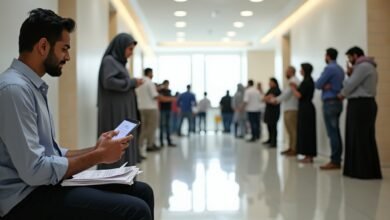
Over 3,000 resident complaints have been filed in the past year regarding public toilet conditions across the UAE. These reports reveal widespread issues affecting health and accessibility in facilities used daily by residents and tourists alike. Dubai Municipality and other authorities acknowledge the problem but face challenges in maintaining standards across all public spaces.
The complaints paint a concerning picture of neglected facilities, with many residents reporting unhygienic conditions, broken fixtures, and accessibility barriers. These issues impact public health and quality of life, particularly for vulnerable populations including children, elderly citizens, and people with disabilities who depend on these essential services.
What the 3,000 Complaints Reveal About UAE Public Toilets
UAE residents have filed over 3,000 complaints about public toilet conditions in the past year, highlighting a significant public service issue affecting daily life across all seven emirates. The complaints reveal systemic problems that authorities now acknowledge require urgent attention.
- Cleanliness issues including unflushed toilets, overflowing waste bins, and unclean surfaces
- Broken facilities such as non-functional doors, taps, and flush mechanisms
- Lack of maintenance with many facilities not cleaned for extended periods
- Accessibility problems including inadequate facilities for people with disabilities
- Safety concerns including poor lighting, damaged flooring, and inadequate ventilation
The highest number of complaints originated from shopping malls, accounting for 35% of all reports. Public transport hubs followed at 28%, while parks and beaches made up 15% of complaints. Tourist areas received particularly high numbers of complaints, with facilities in Dubai’s Burj Khalifa area and Abu Dhabi’s Corniche mentioned frequently.
Which Emirates and Public Areas Have the Worst Conditions
Dubai leads in the number of public toilet complaints with 1,200 reports filed in the past year. This represents approximately 40 complaints per 100,000 residents. Dubai’s most problematic locations include Dubai Mall, Burj Khalifa area, and public transport stations along the Red Line.
Abu Dhabi follows with 900 complaints, with the worst conditions found in Corniche facilities, Yas Mall, and Abu Dhabi International Airport. Sharjah has recorded 450 complaints, with the Central Souq and Al Qasba areas receiving the most reports.
| Emirate | Number of Complaints | Most Problematic Areas |
|---|---|---|
| Dubai | 1,200 | Dubai Mall, Burj Khalifa area, Red Line stations |
| Abu Dhabi | 900 | Corniche, Yas Mall, Abu Dhabi Airport |
| Sharjah | 450 | Central Souq, Al Qasba |
| Other Emirates | 450 | Various locations across remaining emirates |
Older public facilities consistently receive more complaints than newer ones. Privately managed facilities in shopping malls generally perform better than government-run public toilets. Tourist-heavy areas show worse conditions than residential neighborhoods, suggesting maintenance priorities may be misaligned with actual usage patterns.
Health and Safety Concerns Raised by Residents
UAE public toilets pose significant health risks according to residents who filed complaints. These facilities often fail to meet basic hygiene standards, creating environments that could spread illness and endanger public health.
The most frequently mentioned health concerns include inadequate handwashing facilities with many sinks lacking soap or working taps. Reports also highlight the presence of pests including cockroaches and rodents in 15% of complaints. Water contamination issues were noted in 8% of cases, with reports of discolored or foul-smelling water in toilets and sinks.
Children face particular risks in poorly maintained public restrooms with broken fixtures and unhygienic conditions. Elderly citizens struggle with facilities lacking grab bars and adequate lighting. People with disabilities report significant barriers including inaccessible toilets and emergency call systems that don’t function.
These conditions violate UAE public health standards which require regular cleaning, functional facilities, and proper waste management. The Dubai Municipality’s Public Health Department sets specific requirements for public restroom maintenance that many facilities are failing to meet.
Official Response: What Authorities Are Saying
Dubai Municipality has acknowledged the widespread issues with public toilet facilities. “We are aware of the concerns raised by residents,” said a spokesperson from the Public Health Department. “Our teams are working to address these issues through increased monitoring and more frequent maintenance schedules.”
The municipality announced a new initiative to upgrade 50 public toilet facilities across Dubai by the end of 2023. This includes installing touchless fixtures, improving ventilation systems, and increasing cleaning frequency to every two hours in high-traffic areas.
Abu Dhabi Municipality has responded with a similar plan, stating that “public health and safety remain our top priorities.” They have committed to implementing a digital monitoring system that tracks facility usage and maintenance needs in real-time.
Both authorities reference UAE Federal Law No. 4 of 2016 on Public Health and Safety, which sets standards for public facilities. However, residents report inconsistent enforcement of these regulations, with many facilities failing to meet the minimum requirements.
Residents’ Experiences: Real Stories from the Complaints
A mother of three from Dubai shared her experience at a popular park: “I took my children to the restroom and found all three stalls without toilet paper. The floor was wet and slippery, and there was a foul smell throughout. I had to leave the park immediately because my children couldn’t use the facilities safely.”
An elderly resident from Abu Dhabi described difficulties accessing public toilets: “As an 82-year-old with mobility issues, I need grab bars and accessible facilities. The public toilet near my building has broken rails and a door that’s too heavy for me to open. I’ve had to ask strangers for help multiple times.”
A tourist visiting Dubai’s heritage areas reported: “The public toilets in the old city were in terrible condition. There was no running water, the lighting was poor, and the facilities were not clean. It made visiting these historical sites unpleasant and uncomfortable.”
A working professional from Sharjah shared: “I work in a busy commercial area where the public restrooms are cleaned only once daily. By mid-afternoon, the facilities are unusable. Many of my colleagues avoid drinking water to avoid using these toilets during work hours.”
What Residents Can Do: Reporting Poor Facilities
Residents can report public toilet issues through several official channels to ensure problems are addressed by the responsible authorities. Dubai Municipality and other emirate authorities have established systems specifically for reporting facility maintenance concerns.
- Contact Dubai Municipality through their 24/7 hotline at 800 900
- Use the Dubai Now app to submit complaints with photos and location details
- Visit the Dubai Municipality website and use the “Public Services” section
- Report issues in person at any municipality service center
When making a complaint, include these key details:
- Specific location of the facility with nearest landmark
- Description of the problem with as much detail as possible
- Time and date when the issue was observed
- Photographic evidence if possible
- Contact information for follow-up
Residents can also report issues through the Dubai Times platform, which forwards complaints to the relevant authorities. Dubai Live Platform offers another channel for municipal service complaints and can be accessed through the Dubai Times website.
After submitting a complaint, residents should expect a reference number and can follow up after 48 hours if the issue remains unaddressed. For urgent health hazards, immediate reporting through the emergency hotline is recommended.
The Road Ahead: Expected Improvements and Timeline
UAE authorities have announced several initiatives to address public toilet conditions based on resident feedback. These improvements aim to bring facilities up to international standards and ensure consistent quality across all public spaces.
The Dubai Municipality has allocated AED 50 million for public toilet upgrades over the next two years. This budget includes new fixtures, improved lighting, ventilation systems, and accessibility features. The first phase targeting high-traffic areas is scheduled for completion by Q4 2023.
Abu Dhabi has committed to implementing smart toilet technology in 75% of public facilities by 2024. These systems will include automated cleaning schedules, occupancy sensors, and maintenance alerts to address issues proactively.
| Initiative | Timeline | Budget |
|---|---|---|
| Dubai toilet upgrades | Q4 2023 – Q2 2024 | AED 50 million |
| Abu Dhabi smart toilets | Q2 2023 – Q4 2024 | AED 35 million |
| Q1 2024 | AED 15 million |
The UAE Ministry of Health and Prevention is developing new national standards for public toilet facilities that will be implemented across all emirates by 2024. These standards will address hygiene, accessibility, maintenance frequency, and emergency response protocols.
Several pilot programs are already underway in Dubai and Abu Dhabi testing innovative solutions including self-cleaning toilets, water-saving fixtures, and solar-powered ventilation systems. These infrastructure improvements are part of broader municipal development projects aimed at enhancing public facilities across the UAE.
Frequently Asked Questions
How do I report a public toilet issue in the UAE?
Residents can report public toilet issues through municipality hotlines, official apps like Dubai Now, municipality websites, or in-person at service centers. When reporting, include specific location details, description of the problem, time observed, and photographic evidence if possible.
What health standards should UAE public toilets meet?
UAE public toilets must meet federal hygiene standards with proper sanitation, functional fixtures, regular cleaning schedules, accessibility features, and adequate ventilation. Dubai Municipality and other authorities set specific requirements for maintenance frequency and facility condition.
Which public areas in Dubai have the worst toilet facilities?
Dubai’s most problematic public toilet areas include Dubai Mall, Burj Khalifa area, and Red Line metro stations. Tourist-heavy areas and older facilities generally show worse conditions than newer or residential areas.
Are there fines for businesses with poor public restrooms in UAE?
Yes, municipalities can impose fines for facilities not meeting health and safety standards. Dubai Municipality can fine up to AED 5,000 for repeated violations of public health regulations affecting restroom facilities.
How often should public toilets be cleaned in the UAE?
UAE regulations specify cleaning frequencies based on facility usage, with high-traffic areas requiring cleaning every 2-4 hours. Shopping malls and transport hubs typically need more frequent cleaning than lower-traffic public spaces.
What Residents Should Know
The 3,000 complaints about UAE public toilets reveal a significant public health challenge affecting residents across all seven emirates. Clean, accessible public facilities are essential for public health, tourism, and quality of life. While authorities have acknowledged these issues and announced improvement plans, residents must continue reporting problems to ensure accountability.
Dubai Times will continue to track improvements in public toilet facilities and report on developments as they occur. Residents are encouraged to report issues through official channels and follow Dubai Times for ongoing coverage of this important public service issue. Together, resident feedback and responsive authorities can work to ensure all UAE public facilities meet the standards residents deserve.