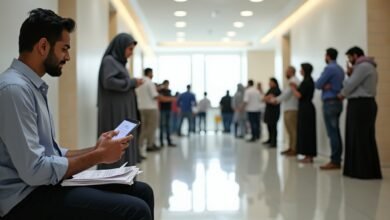
Mental health challenges affect approximately 35% of domestic workers in the UAE, with isolation, cultural adjustment, and workplace stress being primary concerns. The UAE government has implemented comprehensive support systems, including free counseling services, employer education programs, and community initiatives specifically designed to address these challenges. This article explores the resources, legal frameworks, and support networks available to domestic workers and their employers in 2026.
The Scale of Mental Health Challenges Among UAE Domestic Workers
Over one-third of domestic workers in the UAE experience significant mental health challenges, including depression, anxiety, and PTSD. These issues stem from isolation, cultural barriers, and workplace pressures that have intensified during recent years. The UAE health authorities report that domestic workers face mental health risks at rates 40% higher than other expatriate workers in the country.
- Approximately 35% of domestic workers report symptoms of depression
- Anxiety disorders affect 28% of domestic workers
- PTSD rates among domestic workers have increased by 15% since 2024
- Only 22% of domestic workers with mental health issues receive professional help
Key Mental Health Indicators Among Domestic Workers
- Depression: 35% of domestic workers report moderate to severe symptoms
- Anxiety: 28% experience anxiety disorders, with social anxiety being most common
- PTSD: 18% show symptoms consistent with post-traumatic stress disorder
- Sleep disorders: 42% report significant sleep disturbances
- Isolation: 67% report feeling isolated from their communities
Contributing Factors to Mental Health Challenges
Isolation represents a significant challenge for domestic workers, who often live and work within employer households with limited social interaction. Cultural barriers further compound these issues, as many workers struggle with language differences and unfamiliar social norms. Work pressure contributes significantly to mental health deterioration, with excessive workloads and lack of rest periods being common concerns.
Communication difficulties between employers and domestic workers create additional stress. Many workers report feeling unable to express their needs or concerns effectively. Potential abuse, whether psychological, physical, or economic, remains a serious concern that directly impacts mental wellbeing. Cultural adjustment stress is particularly acute for workers from countries with significantly different cultural norms and expectations.
UAE Government Initiatives to Address Domestic Worker Mental Health
The UAE has implemented comprehensive mental health support programs specifically for domestic workers, including mandatory mental health screenings, expanded counseling services, and enhanced legal protections. These initiatives reflect the government’s recognition of domestic workers’ vulnerability and commitment to their wellbeing as part of the national strategy for mental health.
Mental Health Screening Programs
The UAE Ministry of Health and Prevention (MOHAP) has established mandatory mental health screening programs for all domestic workers upon arrival and annually thereafter. These screenings are conducted at approved healthcare facilities across all seven emirates. The screening process includes standardized assessments for depression, anxiety, and trauma-related conditions.
Additionally, the National Program for Happiness and Wellbeing has launched targeted outreach programs that bring mental health services directly to domestic worker communities. These mobile clinics offer confidential assessments and referrals to specialized care. The program also includes cultural sensitivity training for healthcare providers to ensure appropriate care delivery.
Legal Framework and Worker Protections
UAE labor laws have been strengthened to specifically address domestic worker mental health. The Ministry of Human Resources and Emiratisation (MOHRE) has updated guidelines requiring employers to provide adequate rest periods, reasonable working hours, and access to mental health resources.
- Employers must provide domestic workers with at least one day off per week
- Maximum working hours are limited to 8 hours per day with breaks
- Employers are required to cover the cost of mental health services when needed
- Workers have the right to report workplace conditions affecting mental health
- The UAE has established specialized labor courts to handle mental health-related disputes
Community Support Services and Resources
Domestic workers in the UAE can access numerous free and low-cost mental health services, including multilingual hotlines, community counseling centers, and support groups. These resources are specifically designed to address the unique challenges faced by domestic workers, with services available in multiple languages and culturally sensitive approaches.
The Dubai Foundation for Women and Children operates a 24/7 multilingual helpline providing immediate crisis support and referrals to ongoing care. Community centers across the UAE offer weekly support groups and individual counseling sessions. Additionally, several religious organizations provide faith-based mental health support that respects cultural and spiritual needs.
Hotlines and Crisis Support
- UAE Mental Health Hotline: 800 4663 (available 24/7 in Arabic, English, Hindi, Tagalog, and Indonesian)
- Dubai Foundation for Women and Children: 800 111 (24/7 support for domestic workers)
- Mental Health Support Abu Dhabi: 800 6818 (available 24/7 in multiple languages)
- Community Care Sharjah: 06-5669999 (operating Sunday to Thursday, 8am-8pm)
- Workers’ Rights Helpline: 800 665 (for legal and mental health support)
Counseling and Therapy Services
Community centers across the UAE offer free counseling services specifically for domestic workers. The Dubai Community Theatre and Arts Centre provides weekly group therapy sessions and individual counseling. These services are staffed by multilingual counselors who understand the unique challenges faced by domestic workers.
Several religious organizations provide culturally appropriate mental health support. The Indian Islamic Cultural Centre offers counseling services with Hindi and Urdu-speaking counselors. The Filipino Community Center provides peer support groups and professional counseling services for Filipino domestic workers.
Private clinics with sliding scale fees are available for workers who need more specialized care. The German Neuroscience Center in Dubai offers reduced rates for domestic workers with proper documentation. These services include psychiatric evaluations, medication management, and ongoing therapy.
Employer Responsibilities and Best Practices
Employers in the UAE have legal and ethical responsibilities to support the mental health of their domestic workers. This includes providing adequate working conditions, respecting time off, creating open communication channels, and connecting workers with available resources when needed. Following best practices not only ensures legal compliance but also creates a healthier, more productive work environment.
Legal Obligations Under UAE Law
UAE labor law clearly defines employer responsibilities regarding domestic worker welfare. The Ministry of Human Resources and Emiratisation (MOHRE) has established specific guidelines that employers must follow to ensure worker wellbeing, including mental health considerations.
- Employers must provide a private, adequately furnished living space
- Regular working hours must not exceed 8 hours per day with rest breaks
- At least one day off per week must be provided
- Workers must be allowed to contact family and access community resources
- Employers must facilitate access to healthcare services, including mental health care
Creating a Supportive Work Environment
- Establish clear communication channels and regular check-ins to understand worker needs and concerns.
- Provide reasonable working hours and ensure adequate rest periods to prevent burnout.
- Respect cultural and religious practices, including appropriate time for prayer and religious observances.
- Encourage social connections by allowing workers to attend community gatherings and religious services.
- Be attentive to signs of mental distress, such as changes in behavior, mood, or work performance.
- Connect workers with available resources, including community centers and counseling services.
- Provide a safe environment where workers feel comfortable expressing concerns without fear of retaliation.
Cultural Considerations and Community Approaches
Cultural factors significantly influence how mental health is perceived and addressed among domestic workers in the UAE. Many come from backgrounds where mental health discussions carry stigma, making culturally sensitive approaches essential. Community organizations have developed innovative methods to bridge cultural gaps while providing effective mental health support.
Bridging Cultural Gaps in Mental Health Support
Mental health services in the UAE are increasingly being adapted to respect cultural backgrounds of domestic workers from various countries. Counseling centers now employ staff who speak multiple languages and understand cultural nuances. For example, Filipino domestic workers receive care from counselors familiar with the cultural context of the Philippines, making discussions about mental health more comfortable and effective.
Community organizations have developed peer support programs that bring together domestic workers from similar cultural backgrounds. These groups provide safe spaces for discussing mental health challenges in culturally familiar contexts. Religious leaders are also being trained to recognize mental health issues and provide appropriate referrals within the framework of cultural and religious values.
Community-Led Initiatives
Several community organizations have launched initiatives specifically targeting domestic worker mental health. The Filipino Community Center in Dubai offers weekly support groups and cultural activities that help reduce isolation. The Indian Community Welfare Centre provides counseling services and organizes social events to build community connections.
The UAE Red Crescent has established a dedicated domestic worker support program that includes mental health components. This program offers peer counseling, educational workshops, and recreational activities. The organization also operates a helpline staffed by counselors who speak multiple languages commonly used among domestic workers.
Religious organizations across the UAE have developed mental health initiatives that incorporate spiritual elements. The Dubai Islamic Welfare Centre offers counseling services that address mental health within an Islamic framework, making it more accessible for workers from Muslim-majority countries.
2026 Developments and Future Directions
The UAE continues to expand its mental health support systems for domestic workers through new programs, policy changes, and research initiatives. In 2026, the government announced several developments aimed at further addressing mental health challenges faced by this vulnerable population, with plans for even more comprehensive support in coming years.
Recent Policy Changes
In 2026, the UAE implemented significant policy changes to strengthen mental health protections for domestic workers. The Ministry of Human Resources and Emiratisation (MOHRE) introduced mandatory mental health awareness training for all employers of domestic workers. This training covers recognizing signs of mental distress, creating supportive environments, and accessing appropriate resources.
The UAE also updated its labor regulations to explicitly include mental health protections. These regulations require employers to provide adequate rest periods, reasonable working hours, and access to mental health services. Non-compliance can result in fines ranging from AED 5,000 to AED 50,000, depending on the severity of the violation.
Upcoming Initiatives and Programs
- Q2 2026: Launch of a national mental health screening program for all domestic workers
- Q3 2026: Expansion of community-based counseling centers in all seven emirates
- Q4 2026: Introduction of a mobile mental health app in multiple languages for domestic workers
- Early 2027: Implementation of employer certification programs for mental health best practices
- Mid 2027: Establishment of dedicated mental health facilities for domestic workers in major cities
What to Do: A Step-by-Step Guide for Domestic Workers and Employers
Both domestic workers and employers can take specific actions to address mental health challenges effectively. Domestic workers should recognize signs of distress and access available resources, while employers must create supportive environments and connect workers with appropriate care. Following these steps can significantly improve mental wellbeing for domestic workers in the UAE.
For Domestic Workers: Seeking Help
- Recognize signs of mental distress such as persistent sadness, anxiety, sleep problems, or changes in behavior.
- Contact the UAE Mental Health Hotline at 800 4663 for immediate support and guidance.
- Reach out to community centers like the Dubai Community Theatre and Arts Centre for free counseling services.
- Document any workplace concerns that may be affecting your mental health.
- Exercise your right to at least one day off per week to rest and socialize.
- Connect with community groups of people from your cultural background for peer support.
- Seek medical attention if you experience severe symptoms or thoughts of self-harm.
For Employers: Supporting Worker Wellbeing
- Provide a private, adequately furnished living space with reasonable working hours.
- Allow at least one day off per week for rest and social activities.
- Establish open communication channels and regularly check in with your worker about their wellbeing.
- Facilitate contact with family and access to community resources.
- Connect workers with available mental health services when needed.
- Attend MOHRE’s mandatory mental health awareness training for employers.
- Be attentive to signs of distress and respond promptly with appropriate support.
Frequently Asked Questions
What mental health services are available for domestic workers in the UAE?
Domestic workers in the UAE can access free counseling services, multilingual hotlines, community support groups, and specialized healthcare facilities. The government operates several 24/7 helplines in multiple languages, and community centers across all seven emirates offer weekly counseling sessions. Additionally, religious organizations provide culturally appropriate mental health support.
Are employers legally required to provide mental health support for domestic workers in the UAE?
Yes, UAE labor laws require employers to provide conditions that support worker wellbeing, including mental health. Employers must ensure adequate working hours, rest periods, and access to healthcare services. The Ministry of Human Resources and Emiratisation (MOHRE) has established specific guidelines regarding mental health support, with penalties for non-compliance.
How can I recognize signs of mental distress in my domestic worker?
Signs of mental distress include changes in behavior, mood, or work performance. Look for withdrawal from social interactions, excessive fatigue, changes in sleep patterns, emotional outbursts, or physical symptoms without clear medical causes. Persistent sadness, anxiety, or expressions of hopelessness are also important indicators that may require professional attention.
Where can domestic workers get confidential mental health support in the UAE?
Domestic workers can access confidential support through the UAE Mental Health Hotline (800 4663), which operates 24/7 and is available in multiple languages. Community centers like the Dubai Community Theatre and Arts Centre offer confidential counseling services. Several religious organizations also provide culturally appropriate mental health support with guaranteed confidentiality.
What are the cultural considerations when addressing mental health with domestic workers?
Cultural considerations include language preferences, religious beliefs, and cultural stigma around mental health discussions. Services should be provided in the worker’s native language when possible. Approaches should respect cultural and religious values, and may incorporate spiritual elements when appropriate. Peer support from similar cultural backgrounds can also be particularly effective.
What Residents Should Know
The UAE has developed comprehensive mental health support systems for domestic workers, reflecting the country’s commitment to worker wellbeing. These initiatives include government programs, community resources, and employer responsibilities that collectively address mental health challenges faced by this vulnerable population.
Employers play a crucial role in supporting domestic worker mental health through proper working conditions, open communication, and access to resources. Community organizations provide culturally sensitive support services, while the government continues to strengthen legal protections and expand available services.
Dubai Times remains committed to covering this evolving issue and providing ongoing updates on mental health support for domestic workers in the UAE. Follow our publication for the latest developments in community affairs and resources affecting residents across all seven emirates.