Allu Sirish Dubai Pre‑Wedding Bash Signals Surge in Luxury Event Spending

Why a Single Celebrity Celebration Reshapes the UAE Luxury‑Event Landscape
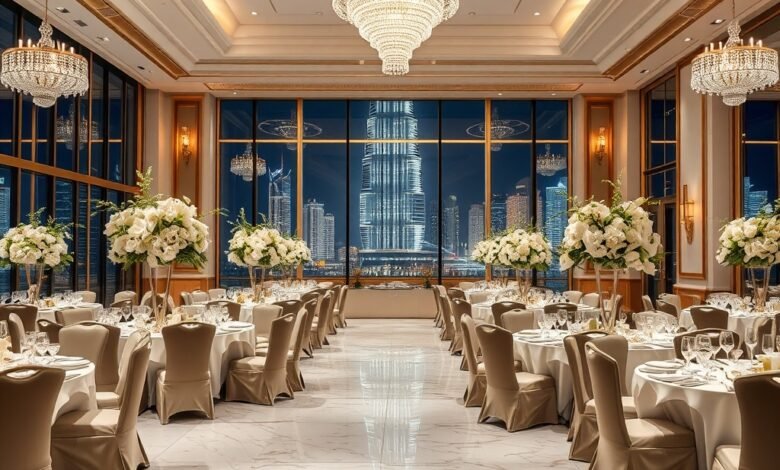
The public unveiling of Allu Sirish’s pre‑wedding photographs—set against Dubai’s iconic skyline—does more than feed fan curiosity. It crystallises a measurable shift in capital allocation toward high‑visibility, high‑spend events that leverage the emirate’s premium venues, concierge services and tax‑neutral environment. For investors monitoring the hospitality pipeline, the visual cue is a leading‑edge indicator of rising booking pipelines for boutique ballrooms, private yacht charters and ultra‑luxury catering contracts.
Scale of the Celebration and Immediate Revenue Implications
Although exact attendance figures were not disclosed, the imagery conveys an “intimate yet festive” gathering populated by close family and industry peers. In the UAE events market, an intimate high‑profile function typically commands:
- Venue hire premiums of 30‑40 % above standard corporate rates, driven by exclusivity and branding considerations.
- On‑site production spend—lighting, décor, live‑streaming—that can exceed US$200,000 for a single day, especially when the backdrop is marketed as “Dubai skyline.”
- Ancillary spend on luxury transport, boutique accommodation and bespoke gastronomy, each adding a 15‑25 % uplift to total event budgets.
Aggregating these levers, a single celebrity pre‑wedding can inject upwards of US$500,000 directly into the local luxury‑service ecosystem, a figure that scales exponentially when replicated across the Indian diaspora’s event calendar.
Impact on Hospitality Operators and Venue Owners
Hotels and resorts that host such gatherings experience a two‑fold benefit: immediate cash flow from venue and F&B contracts, and a long‑term brand lift through media exposure. The visual association with a Bollywood‑linked family amplifies the venue’s perceived value, enabling operators to command higher ADR (Average Daily Rate) premiums for future bookings targeting Indian high‑net‑worth individuals.
Ripple Effect on Ancillary Service Providers
Event planners, floral designers, and luxury car firms report a “halo effect” where a single high‑visibility event triggers a cascade of inbound enquiries. The pre‑wedding’s social‑media traction translates into measurable lead generation, shortening sales cycles for premium service providers by an estimated 20‑30 %.
Strategic Positioning of Dubai as the Preferred Indian Celebrity Destination
Dubai’s selection by Sirish and Nayanika underscores a strategic alignment between the emirate’s infrastructure—world‑class airports, visa‑on‑arrival policies for Indian nationals, and a robust luxury‑hospitality inventory—and the aspirations of Indian entertainment elites. The city’s reputation for privacy, coupled with a cosmopolitan ambience, satisfies the dual demand for exclusivity and global exposure.
Policy Environment that Fuels the Trend
UAE authorities have cultivated a business‑friendly climate through:
- Zero‑tax treatment on event‑related services, preserving margin for organisers and sponsors.
- Streamlined permitting processes for large‑scale private celebrations, reducing lead times from months to weeks.
- Targeted marketing campaigns in Indian media that position Dubai as the “ultimate wedding destination.”
These policy levers collectively lower the total cost of ownership for high‑budget events, making Dubai a financially rational choice over traditional Indian locales.
Investor Outlook: Capital Flows and Market Opportunities
From an investment perspective, the pre‑wedding serves as a data point confirming sustained demand for premium event infrastructure. Key takeaways for capital allocators include:
- Potential upside in REITs focused on luxury hotel and convention‑center assets, given the projected increase in high‑margin private bookings.
- Growth prospects for niche event‑technology firms offering immersive experiences, live‑streaming, and AI‑driven guest management—services that are now standard expectations for celebrity‑level celebrations.
- Opportunity for private equity to target boutique catering and décor houses that have demonstrated scalability in serving Indian celebrity clientele.
Sector‑Level Forecasts
Analysts project that the Indian diaspora’s discretionary spend on overseas celebrations will outpace overall tourism growth by 2‑3 % annually through 2028. This premium‑segment expansion is expected to lift the UAE’s luxury‑event revenue contribution from 5 % to roughly 7 % of total tourism receipts, reshaping the sector’s revenue mix.
Long‑Term Competitive Implications for Regional Destinations
Dubai’s ascendancy in the Indian celebrity wedding ecosystem puts pressure on neighboring Gulf hubs to differentiate their value propositions. Cities that lack a comparable blend of ultra‑luxury venues, streamlined regulatory frameworks, and global media reach risk losing market share in a segment that commands disproportionately high profit margins.
Strategic Recommendations for Stakeholders
- Hospitality operators: Invest in bespoke bridal suites and private event floors that can be marketed as “Allu Sirish‑approved” to capture aspirational demand.
- Event service firms: Build case studies around high‑profile Indian celebrations to accelerate sales cycles with other Bollywood families.
- Investors: Prioritise assets with proven track records of hosting celebrity events, as they deliver higher yields and brand equity.
Conclusion: A Single Celebration as a Market Signal
Allu Sirish’s Dubai pre‑wedding is more than a cultural footnote; it is a quantifiable market signal that underscores the UAE’s growing dominance in the luxury‑event arena. The convergence of policy incentives, world‑class infrastructure, and high‑spending Indian clientele creates a virtuous cycle that fuels revenue growth, attracts capital, and reshapes competitive dynamics across the Gulf’s hospitality landscape.

 with the direct government options available through GDRFA, ICP and the relevant company-licensing authority. Professional assistance can help coordinate paperwork, but visa eligibility should always be verified against the official immigration requirements rather than a consultant’s marketing claim. ## Common Dubai Investor Visa Mistakes ### Assuming Every Business Owner Gets a Five-Year Visa The Green Residence has specific eligibility and investment conditions. ### Confusing a Trade Licence With a Residence Permit A licence allows the company to conduct approved business activities. Residence is a separate immigration process. ### Comparing Only Government Visa Fees Medical, Emirates ID, insurance, status adjustment and professional services can change the full cost. ### Structuring Shareholding Only for Residency The ownership structure should make commercial and legal sense as well as meeting immigration requirements. ### Assuming a Free Zone Automatically Means Investor Visa Eligibility Free-zone company ownership and immigration qualification still need to satisfy the relevant rules. ### Treating the Golden Visa as the Standard Investor Visa Golden Residence has substantially higher qualifying thresholds than ordinary company ownership. ## Dubai Investor Visa Checklist for 2026 Before applying, confirm: - passport validity - company trade licence - legal form - shareholder or partnership documents - investment value - qualifying ownership percentage - current UAE immigration status - entry permit requirement - medical fitness requirement - Emirates ID process - health insurance - total government charges - family sponsorship plans - residence renewal conditions A clear checklist reduces the chance of creating a company that does not support the residence route the investor expected. ## Is a Dubai Investor Visa Worth Considering? For entrepreneurs who genuinely plan to own and operate a UAE business, a **Dubai investor visa** can provide a stable residency route without dependence on an employer. The five-year Green Residence can suit qualifying business investors and partners, while the 10-year Golden Residence provides a longer-term route for investors who meet the higher financial thresholds. The most important step is to separate three decisions: 1. what company the investor actually needs 2. how much capital will genuinely be invested 3. which residence category that structure qualifies for When those decisions are made together, company formation and immigration can support each other. When they are treated as the same thing, founders can end up with a licence that does not provide the residency they expected.](https://dubaitimes.ae/wp-content/uploads/2026/10/Dubai-Investor-Visa-Consultation-390x220.png)