
Dubai’s Chewy Cookie Cracks Asian Snack Markets, Signalling New Export Wave for UAE Food Brands

From Al Quoz Bakery to Seoul’s Hongdae: Timeline of a Cross‑Border Food Phenomenon
Product DNA that Resonates with Global Palates
The cookie, launched in late 2025 by a family‑run bakery in Al Quoz, fuses Emirati dates, a light honey glaze, a whisper of cardamom and pistachio crumbs. Its texture—midway between shortbread firmness and the airy chew of Western soft‑baked cookies—creates a tactile experience that translates across cultures. Minimalist white packaging stamped with Arabic calligraphy was deliberately engineered for Instagram‑driven visual appeal, turning the product into a portable brand statement rather than a mere confection.
Influencer Amplification and Rapid Market Penetration in South Korea
In early January 2026 a Korean food influencer posted a 15‑second video describing the “unexpectedly airy chew” and a “subtle hint of Arabic coffee.” The clip amassed millions of views within days, prompting a cascade of secondary creator content. Within two weeks, Korean specialty retailers announced stocking agreements, and a pop‑up shop opened in Hongdae, drawing queues that extended beyond the venue’s capacity. The speed of adoption—weeks rather than months—illustrates the potency of influencer‑driven demand in a market known for rapid food trend cycles.
Strategic Leverage of Dubai’s Logistics and Cosmopolitan Consumer Base
Export Infrastructure Turning a Boutique Item into a Regional Commodity
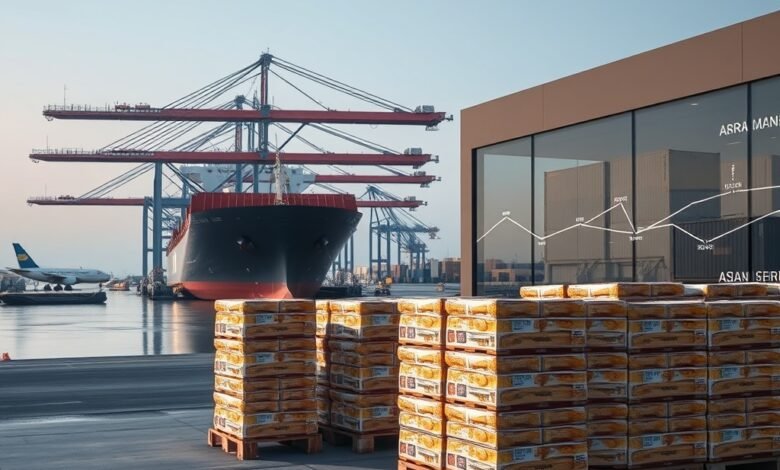
Dubai’s status as a global logistics hub enabled the bakery to shift from a single‑batch operation to a scalable export model in under two months. Air freight routes to Incheon and Singapore, coupled with the emirate’s free‑zone customs efficiencies, reduced lead times to under 72 hours for bulk shipments. The bakery’s decision to explore additional export channels—direct‑to‑retailer contracts and third‑party e‑commerce distributors—signals a transition from tourism‑centric sales to a diversified, B2B‑oriented revenue stream.
Capital Implications for Emirati Food Producers and Investors
The surge in overseas orders creates an immediate cash‑flow uplift that can fund production‑line upgrades, quality‑control automation, and brand‑extension research. For venture capitalists and private‑equity funds monitoring the Gulf’s non‑oil diversification agenda, the cookie offers a proof‑of‑concept for scalable, culturally anchored food products with global reach. Early‑stage investors may anticipate follow‑on rounds aimed at regional expansion, while larger food conglomerates could view acquisition as a gateway to Middle Eastern heritage brands.
Impact on Asian Snack Landscape and Investor Outlook
Middle Eastern Flavors Meet Millennial Comfort‑Food Demand
Singapore’s café circuit, already experimenting with Middle Eastern notes, incorporated the cookie into dessert menus after tasting samples at a Dubai food‑tech expo. A TikTok trend tagged #DubaiChewy paired the treat with cold‑brew coffee and Malay teh tarik, positioning it as a “comfort food” alternative to the island’s health‑centric snack offerings. This dual positioning—novelty plus familiarity—aligns with Asian millennials’ appetite for cross‑cultural, Instagram‑ready indulgences.
Competitive Re‑shaping of the Asian Snack Market
Industry observers note that the cookie’s rapid ascent could compel other Gulf snack manufacturers to pursue similar export playbooks, potentially inserting a new cohort of Middle Eastern‑origin products into the highly competitive Asian snack arena. For Korean and Singaporean retailers, the emerging demand for Arabic‑inspired treats may diversify shelf space away from traditional Japanese, Korean, and Western snack categories, prompting renegotiations of supplier contracts and margin structures.
Policy and Economic Context: Why the Moment Is Ripe
UAE Trade Initiatives and Food‑Tech Expo Catalysts
The Dubai food‑tech expo that showcased the cookie functioned as a de‑facto export platform, aligning with the UAE’s broader trade diversification policies. Government incentives for food‑manufacturing free zones, combined with streamlined export documentation, lowered entry barriers for small‑scale producers seeking international distribution.
Long‑Term Outlook for UAE’s Food‑Export Portfolio
Scaling the Dubai Chewy Cookie establishes a replicable model for Emirati brands: heritage ingredients, globally resonant texture, and social‑media‑ready packaging. If the bakery successfully converts viral demand into sustained retail presence, the UAE could see a measurable shift in food‑export statistics—from tourism‑linked sales to recurring, contract‑based shipments. Such a shift would reinforce the emirate’s strategic objective of reducing oil‑dependency by expanding high‑margin, export‑oriented agri‑food sectors.