
Why Dubai’s Public Schools Are Losing Students to an Unexpected Competitor

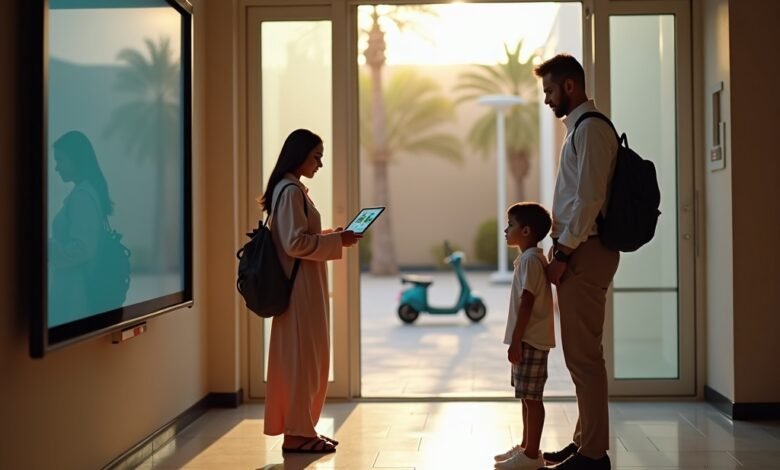
Dubai’s public schools have seen enrollment decline by 12% over the past three years, with thousands of students leaving for an unexpected alternative: specialized online learning platforms. This shift affects both Emirati and expat families, raising questions about Dubai’s traditional education system. Parents are increasingly choosing these digital alternatives for their flexibility, personalized approaches, and advanced technological integration. As Dubai’s education landscape transforms, understanding this trend becomes crucial for families navigating school choices.
The Enrollment Trend: Dubai Public Schools Face Unexpected Competition
Dubai’s public education system is experiencing a significant enrollment shift that education authorities are closely monitoring. According to recent KHDA reports, traditional public schools have lost approximately 8,500 students since 2021, representing a 12% decline across all grade levels. This trend affects both Emirati and expatriate families, though the impact varies by demographic.
The surprising competitor driving this shift is specialized online learning platforms that offer personalized education experiences. These digital alternatives have gained significant traction among Dubai families seeking more flexible learning approaches and advanced technological integration. KHDA data shows these platforms now serve over 15,000 students across the emirate, with enrollment growing by 35% annually.
- Public school enrollment declined by 12% since 2021
- Approximately 8,500 students have left traditional public schools
- Online learning platforms now serve over 15,000 Dubai students
- Digital education alternatives are growing at 35% annually
Official Data Shows Declining Public School Enrollment
The Knowledge and Human Development Authority (KHDA) has documented a consistent downward trend in public school enrollment over recent years. Their 2023 annual report indicates a 4.3% decline in just the past academic year, with the sharpest decreases observed in secondary schools where enrollment dropped by 7.2%.
By emirate, the enrollment decline is most pronounced in areas with higher concentrations of expatriate families, such as Dubai Marina and Jumeirah. Meanwhile, some public schools in more traditional Emirati communities have maintained relatively stable enrollment numbers. The data suggests socioeconomic factors and parental priorities play significant roles in these educational choices.
Identifying the Unexpected Competitor
The unexpected competitor drawing students away from Dubai’s public schools is specialized online learning platforms that offer personalized educational experiences. These digital alternatives provide flexible scheduling, customized curricula, and advanced technological integration that traditional classroom settings may not match.
These platforms include both international providers with UAE operations and locally developed solutions tailored to Dubai’s specific educational needs. They offer various educational approaches from accelerated learning programs to specialized curricula in STEM, arts, or bilingual education. Many families report choosing these options for their ability to accommodate individual learning styles and provide more personalized attention than traditional classroom settings.
Why Families Are Making the Switch: Key Factors Behind the Enrollment Shift
Dubai families are increasingly choosing alternative educational options over public schools due to several key factors that address modern educational needs and preferences. Education experts note this shift reflects changing expectations about how children learn best in today’s digital environment.
“The traditional classroom model doesn’t work for every child,” explains Dr. Fatima Al Mansouri, an education consultant with 15 years of experience in Dubai’s schools. “Parents are recognizing that educational needs are diverse, and they’re seeking options that can better accommodate individual learning styles and paces.”
Flexibility and Personalized Learning Approaches
Alternative educational options in Dubai offer significantly more flexibility than traditional public schools, allowing families to customize educational experiences to their specific needs. These platforms provide personalized learning paths that adapt to individual student strengths, weaknesses, and interests.
Many parents report that the ability to adjust learning schedules and paces has been transformative for their children. “My son struggled in the traditional classroom environment,” shares Sarah Johnson, an expatriate parent whose child now uses an online learning platform. “The personalized approach has helped him excel academically while reducing his anxiety about school.”
Technology Integration and Digital Learning
The technological advantages of alternative educational options represent a significant draw for Dubai’s digitally native families. These platforms leverage cutting-edge educational technology, interactive learning tools, and digital resources that often surpass the technological infrastructure available in public schools.
Online learning platforms in Dubai typically feature sophisticated adaptive learning systems, virtual reality educational experiences, and AI-powered tutoring capabilities. These technological elements create more engaging learning experiences and better prepare students for increasingly digital future workplaces.
According to a recent Dubai Times article on technology integration in UAE education, schools are rapidly adopting digital transformation initiatives to keep pace with these alternative options. The UAE’s broader digital transformation strategy is significantly influencing educational technology adoption across all school types.
Curriculum Differences and Specialized Offerings
Alternative educational options often provide curriculum approaches and specialized offerings that differ significantly from standard public school programs. These differences include accelerated learning tracks, specialized subject concentrations, or educational philosophies that prioritize particular skills or knowledge areas.
Many online learning platforms offer internationally recognized curricula such as the IB or British curriculum with enhanced digital components, while others provide specialized programs focusing on STEM education, arts integration, or bilingual instruction. These specialized offerings appeal to parents seeking specific educational outcomes for their children.
Impact on Dubai’s Education Landscape: What This Shift Means for Schools and Families
The enrollment shift from public schools to alternative educational platforms is creating ripple effects across Dubai’s entire education ecosystem. Education authorities, school administrators, and families are all adapting to this changing landscape with varying degrees of preparedness.
“This trend represents both a challenge and an opportunity for Dubai’s education system,” notes Dr. Ahmed Hassan, an education policy analyst at UAE University. “Public schools must either evolve to meet changing expectations or risk further enrollment declines that could impact resources and educational quality.”
Responses from Dubai’s Public Education System
In response to declining enrollment, Dubai’s public education authorities are exploring several adaptation strategies. The KHDA has indicated potential curriculum updates and technological improvements to enhance competitiveness with alternative educational options.
Some public schools have begun piloting hybrid learning models that combine traditional classroom instruction with digital components. Others are investing in advanced technological infrastructure and teacher training programs focused on personalized learning approaches. These initiatives aim to preserve the benefits of in-person education while incorporating the flexibility and technological advantages that attract families to alternative options.
How Different Families Are Affected Across Dubai
The enrollment shift impacts different demographic groups across Dubai in varying ways. Emirati families and expatriate families often have different priorities and constraints that influence their educational choices, with socioeconomic factors playing a significant role in decision-making.
In more affluent communities, families have greater financial flexibility to explore premium alternative educational options. Meanwhile, families in areas with limited access to alternative platforms may face constraints in exploring these options. The digital divide between different socioeconomic groups presents challenges for equitable access to emerging educational alternatives.
Making the Right Choice: What Parents Should Consider When Evaluating School Options
As Dubai’s educational landscape evolves, parents face increasingly complex decisions when choosing between public schools and alternative educational options. Making an informed choice requires careful consideration of multiple factors beyond academic performance alone.
“Every child’s educational needs are unique,” advises Dr. Layla Al Zarouni, an educational psychologist practicing in Dubai. “The most appropriate educational environment depends on individual learning styles, family circumstances, and long-term educational goals rather than following trends or making comparisons with other families’ choices.”
Key Factors in Evaluating Educational Options
When comparing educational choices in Dubai, parents should consider several critical factors that impact their child’s learning experience and development. These factors help ensure the selected environment aligns with the child’s specific needs and family circumstances.
- Curriculum Quality and Alignment: Evaluate the educational approach, teaching methodologies, and curriculum content to ensure alignment with your child’s learning style and future educational goals.
- Teacher Qualifications and Experience: Consider the qualifications, experience, and teaching approach of educators in potential schools or platforms.
- Facilities and Resources: Assess physical facilities, learning materials, technological resources, and support services available to students.
- Technology Integration: Evaluate the technological infrastructure and digital learning resources that prepare students for increasingly digital futures.
- Extracurricular Activities: Consider opportunities for sports, arts, clubs, and other activities that support holistic development.
- Location and Accessibility: Factor in commute times, transportation options, and how location affects daily family routines.
- Cost and Affordability: Consider tuition fees, additional expenses, and how costs align with family budget constraints. Understanding the full financial implications of educational choices is essential for long-term planning.
- Alignment with Child’s Learning Style: Match the educational environment with your child’s specific learning needs, strengths, and challenges.
Questions to Ask When Considering Alternative Educational Models
When evaluating alternative educational options, parents should prepare specific questions that reveal important details about quality, approach, and suitability for their child’s needs. These questions help ensure thorough due diligence before making educational decisions.
- What accreditation does this program hold?: Verify official recognition from UAE education authorities and relevant international accreditation bodies.
- How are teaching methods adapted for different learning styles?: Understand how educators address diverse learning needs within their approach.
- What technological requirements and support are needed?: Assess the technology infrastructure needed and support provided for both students and parents.
- What opportunities exist for socialization and peer interaction?: Understand how the program addresses social development and peer relationships.
- How are student progress and achievements assessed?: Clarify evaluation methods, feedback systems, and approaches to measuring learning outcomes.
- What pathways exist for transitioning to other educational systems?: Consider future educational options and how current choices might affect those transitions.
- What support services are available for students with special needs?: Understand accommodations and support for diverse learning requirements.
- How involved are parents in the educational process?: Clarify expectations for parental involvement and communication channels between home and school.
The Future of Dubai’s Education System: Trends and Developments to Watch
Dubai’s education landscape continues to evolve rapidly, with several emerging trends likely to shape the future of educational delivery and choice in the emirate. Understanding these developments helps families anticipate changes and make more informed educational planning decisions.
“The lines between traditional and alternative educational models will likely continue to blur,” predicts Dr. Mohammed Al Khatib, a futurist specializing in educational innovation. “We can expect more hybrid approaches that combine the best aspects of different educational philosophies while leveraging technological advancements to enhance learning experiences.”
2026 Policy Developments and Educational Initiatives
Dubai’s education authorities are actively developing new policies and initiatives to address the changing educational landscape. The KHDA has announced several upcoming regulatory changes that will affect both public schools and alternative educational providers operating in the emirate.
These developments include updated quality standards for digital learning platforms, enhanced teacher certification requirements for technology-integrated teaching methods, and new funding mechanisms to support educational innovation. The UAE Ministry of Education has also indicated potential curriculum reforms that incorporate more flexible learning approaches and advanced technological components.
Technology’s Evolving Role in Dubai Education
Technological advancement continues to transform educational delivery in Dubai, with emerging technologies poised to further reshape how students learn and teachers instruct. The emirate’s Smart City vision includes significant components focused on educational technology and digital learning infrastructure.
Emerging technologies like AI-powered personalized learning systems, immersive virtual reality educational experiences, and blockchain-based credential verification are expected to become increasingly prevalent across Dubai’s educational institutions. These technologies promise to create more engaging, personalized, and effective learning experiences while preparing students for technology-driven future workplaces.
Frequently Asked Questions
Why are Dubai public schools losing students?
Dubai public schools are losing students primarily due to competition from alternative educational models that offer greater flexibility, technology integration, and personalized learning approaches. These alternatives address specific needs that traditional public schools may not fully accommodate, particularly for students with different learning styles or families seeking more customized educational experiences.
What is the unexpected competitor taking students from Dubai public schools?
The unexpected competitor is specialized online learning platforms and digital educational programs that provide personalized learning experiences, flexible scheduling, and advanced technological integration. These alternatives offer different educational approaches than traditional schooling, including customized curricula, adaptive learning technologies, and specialized programs that appeal to diverse student needs and family preferences.
How is the UAE government responding to declining public school enrollment?
The UAE government is responding through potential curriculum updates, technological improvements, and new programs to compete with alternative options. The KHDA and UAE Ministry of Education are developing enhanced quality standards for educational providers, supporting teacher training in technology-integrated instruction, and exploring hybrid learning models that combine traditional and digital educational approaches.
What should parents consider when choosing between public schools and alternative education in Dubai?
Parents should consider curriculum quality, teaching methods, technology integration, facilities, extracurricular activities, location, cost, and alignment with their child’s learning style. Each educational option has unique advantages depending on individual student needs, family circumstances, and educational goals. Thorough research of specific programs and direct consultation with education providers is essential for making informed decisions.
Is the enrollment decline affecting all Dubai public schools equally?
The enrollment decline is not affecting all Dubai public schools equally. The impact varies by location, grade level, and specific programs. Schools in areas with higher concentrations of expatriate families and those offering specialized programs have experienced more significant enrollment changes compared to schools in more traditional Emirati communities or those with particularly strong academic reputations.
What Residents Should Know
The enrollment shift in Dubai’s public schools represents a significant transformation in the emirate’s educational landscape. As thousands of students move toward alternative educational options, families must navigate increasingly complex choices about their children’s education. Both public schools and alternatives offer unique advantages depending on individual student needs and family circumstances.
Parents are encouraged to thoroughly research all available options, considering factors beyond academic performance alone. Educational decisions should align with each child’s specific learning style, developmental needs, and long-term educational goals. As Dubai’s education system continues to evolve, staying informed about policy changes and educational innovations becomes essential for making well-informed choices.
Dubai Times remains your essential source for ongoing coverage of the emirate’s evolving education landscape. Follow our reporting for the latest developments in educational policy, school performance, and emerging trends that affect families across Dubai.