
Dubai Hospitals Are Turning Away Patients – Here’s What’s Causing the Capacity Crisis

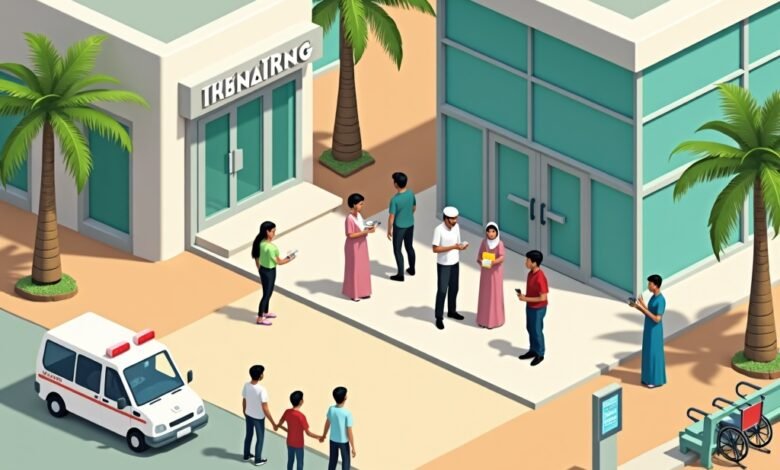
Major public and private hospitals across Dubai are diverting patients and reporting full emergency departments as the emirate faces a severe healthcare capacity crisis. The Dubai Health Authority (DHA) has confirmed system-wide overcrowding affecting facilities including Rashid Hospital, Dubai Hospital, and Latifa Hospital, along with leading private networks. The situation stems from record population growth, a sharp surge in seasonal viral infections, and mounting pressure on emergency and specialist services. Residents facing medical emergencies must call 999 immediately, while those with non-urgent conditions should use DHA telemedicine platforms and primary health care centers to avoid overwhelming already strained emergency rooms.
The Breaking News: DHA Confirms Widespread Hospital Overcrowding
The Dubai Health Authority officially acknowledged the capacity crisis in early 2026 following reports that emergency departments at Rashid Hospital, Dubai Hospital, and Latifa Hospital were operating at or beyond full occupancy. DHA spokespersons confirmed that ambulance services have activated diversion protocols, redirecting non-critical cases to less congested facilities during peak periods. Major private hospital groups including Aster, Mediclinic, and NMC Health reported parallel pressures across their emergency departments throughout January and February 2026.
The DHA stated that while all life-threatening emergencies continue to receive immediate care, patients with non-urgent conditions are experiencing significantly longer wait times or being advised to seek treatment through alternative channels. Hospital administrators across the emirate reported that pediatric wards, intensive care units, and general medical beds reached capacity levels not seen since the height of the COVID-19 pandemic.
What’s Causing the Dubai Healthcare Capacity Crunch?
The current crisis results from multiple compounding factors that have converged to overwhelm Dubai’s healthcare infrastructure. The DHA and healthcare analysts point to three primary drivers creating unprecedented demand on the system.
Record Population Growth and Aging Demographics
Dubai’s population surpassed 3.8 million residents in 2026 according to official statistics, marking a 12 percent increase from 2024. The emirate’s healthcare infrastructure, designed for a smaller population base, now serves hundreds of thousands more residents requiring regular medical care. The growing number of long-term expatriate residents over age 60 has increased demand for chronic disease management, specialist consultations, and complex medical procedures that require hospital beds and intensive resources.
Healthcare facilities built during the 2010s expansion now operate at utilization rates far exceeding their designed capacity. The rapid influx of new families has also strained pediatric services, with children’s hospitals reporting consistent over-capacity conditions throughout early 2026.
Seasonal Illness Spike and Viral Outbreaks
The DHA’s public health department reported unusually high incidence rates of influenza, respiratory syncytial virus (RSV), and other seasonal infections during the 2025-2026 winter period. Pediatric emergency departments treated 40 percent more respiratory illness cases in January 2026 compared to January 2025. Adult emergency departments similarly experienced surges in influenza complications requiring hospitalization, particularly among elderly residents and those with underlying health conditions.
This seasonal spike arrived as hospital systems were already operating near capacity, creating a tipping point that exhausted available beds and stretched nursing staff across multiple shifts. The combination of routine winter illness with existing system strain created the perfect conditions for widespread overcrowding.
Strains on Specialist and Emergency Care
Delays in accessing specialist appointments have pushed patients with non-emergency but urgent conditions into emergency departments seeking faster care. The DHA reported that average wait times for specialist consultations in public hospitals extended to six to eight weeks in late 2025, prompting residents to use emergency services as an alternative pathway to specialist evaluation.
Dubai’s ambulance service implemented enhanced triage protocols to manage the volume of calls, with paramedics conducting more extensive on-scene assessments before transport decisions. Critical care units in major trauma centers operated at 95 to 100 percent capacity throughout February 2026, limiting the system’s ability to accept transfers from smaller facilities or handle multiple simultaneous emergencies.
Which Hospitals and Services Are Most Affected?
The capacity crisis impacts facilities across both public and private healthcare sectors. Residents should call ahead before visiting any emergency department, as capacity status changes hourly based on patient flow, staffing levels, and available beds. The DHA updates facility status through the Dubai Health app and official social media channels.
Public Hospitals and Trauma Centers
- Rashid Hospital’s trauma center and emergency department, serving as Dubai’s primary trauma facility, operates under diversion protocols for non-critical ambulance cases during peak hours
- Dubai Hospital reports wait times exceeding four hours for non-urgent emergency cases, with patients advised to use primary care alternatives where appropriate
- Latifa Hospital’s women and children’s emergency department faces particular pressure from pediatric respiratory cases, with families waiting several hours for non-critical consultations
- All three facilities maintain full capacity in intensive care units and general medical wards, limiting their ability to admit new patients requiring hospital beds
Major Private Hospital Networks
Leading private hospital groups confirmed similar capacity pressures across their Dubai facilities. Aster Hospitals reported full occupancy at their Mankhool and Al Qusais emergency departments during evening and night shifts when patients unable to reach public facilities seek private care. Mediclinic facilities in Dubai Marina, Arabian Ranches, and Jumeirah experienced sustained high volumes requiring extended wait times for triage and initial assessment.
Private hospital administrators noted that many patients arrive at private emergency departments after being advised of long waits at public facilities, creating a cascading effect that distributes the overcrowding across the entire healthcare system rather than resolving it. Insurance coverage limitations mean some patients cannot afford private emergency care, forcing them to return to public facilities despite the wait times.
Official Response: What the DHA and Authorities Are Doing
The Dubai Health Authority, Ministry of Health and Prevention, and Dubai Corporation for Ambulance Services activated coordinated response protocols to manage patient flow and protect care quality during the capacity crisis. These measures aim to distribute demand more effectively across the healthcare system while maintaining access to emergency care for critical cases.
Activating Overflow Protocols and Field Triage
Dubai’s ambulance service implemented enhanced field triage protocols in January 2026, with paramedics conducting comprehensive on-scene medical assessments before determining transport destinations. Patients with non-critical conditions receive treatment on-site or guidance to visit primary care centers rather than automatic hospital transport. The DHA established a real-time bed management system connecting all major public and private hospitals, allowing ambulance dispatch to route patients to facilities with available capacity rather than the nearest hospital.
Several hospitals activated temporary overflow areas using outpatient consultation rooms and day surgery facilities to accommodate patients requiring observation but not full admission. The DHA coordinated discharge planning across facilities to free beds more quickly for incoming patients requiring hospitalization.
Urgent Public Communication Campaign
The Dubai Health Authority launched daily social media updates on hospital capacity status, publishing facility-specific guidance on expected wait times and alternative care options. The Dubai Health app added a real-time emergency department status feature showing current wait times at major hospitals before residents leave home. DHA officials conducted press briefings throughout February 2026 urging residents to reserve emergency department visits for genuine emergencies and utilize telemedicine services for routine medical concerns.
The campaign included multilingual messaging targeting Dubai’s diverse resident population, with specific guidance for parents of young children on when pediatric emergency care is necessary versus when telehealth consultation or primary care is appropriate. The DHA emphasized that calling 999 remains the correct action for any life-threatening condition regardless of system capacity.
A Resident’s Guide: What to Do If You Need Medical Care Now
With emergency departments across Dubai operating at full capacity, residents must make informed decisions about where and how to seek medical care. The following steps, based on official DHA guidance, help ensure you receive appropriate care while supporting system capacity for critical emergencies. These recommendations apply during the current capacity crisis and represent best practices for navigating Dubai’s healthcare system efficiently.
For Life-Threatening Emergencies: Call 999
Always call 999 immediately for heart attacks, strokes, severe difficulty breathing, major trauma, heavy bleeding, loss of consciousness, or suspected poisoning. Dubai’s ambulance service prioritizes critical cases regardless of hospital capacity. Paramedics will transport you to the most appropriate facility with capacity to treat your condition. Never drive yourself or have family drive you to a hospital during a life-threatening emergency, as ambulance crews can begin treatment en route and communicate with receiving hospitals to prepare for your arrival.
For Urgent but Non-Critical Care: Use DHA’s Telemedicine & Clinics
- DHA’s Doctor for Every Citizen telemedicine service provides free video consultations with licensed physicians 24 hours daily through the Dubai Health app for registered Dubai residents
- Dubai Health app virtual consultation booking allows same-day or next-day appointments with specialists for conditions not requiring physical examination or diagnostic testing
- Primary Health Care Centers (PHCCs) across Dubai treat fevers, infections, minor injuries, chronic disease management, and routine medical needs with appointments available within 24 to 48 hours
- Private telemedicine platforms covered by most UAE health insurance plans offer alternative access to consultations when DHA services show full booking
- Pharmacy-based minor ailment services at major chains provide treatment advice and over-the-counter medications for common conditions like coughs, minor skin issues, and digestive complaints
Long-Term Solutions: New Hospitals and Policy Shifts for 2026 and Beyond
The capacity crisis has accelerated government commitments to expand Dubai’s healthcare infrastructure and reform how residents access medical services. The DHA announced several major initiatives in early 2026 designed to address both immediate pressures and long-term system capacity.
Accelerated Hospital Projects and Expansions
- The new 300-bed Dubai Academic Health Corporation hospital in Dubai Hills is advancing to a 2027 opening, six months ahead of the original schedule, adding critical care beds and specialist services
- Latifa Hospital’s planned expansion will add 150 pediatric and women’s health beds by late 2026, directly addressing one of the most strained service areas
- Two new specialty centers focusing on chronic disease management and outpatient procedures will open in Dubai Silicon Oasis and Al Warqa during 2026, designed to keep patients requiring regular care out of emergency departments
- Rashid Hospital will receive a 200-bed expansion of its trauma and critical care capacity beginning construction in mid-2026 for completion in 2028
Policy Focus on Primary Care and Telehealth
The DHA announced in February 2026 that all UAE health insurance policies must cover telehealth consultations for a wide range of conditions starting in July 2026, removing cost barriers that currently push some residents toward emergency departments for routine care. The policy mandates that insurance companies reimburse telemedicine at equivalent rates to in-person primary care visits, incentivizing healthcare providers to expand virtual services.
Dubai plans to open eight new Primary Health Care Centers across rapidly growing residential areas by the end of 2026, specifically targeting neighborhoods currently underserved by convenient primary care access. The DHA set a target of handling 40 percent of non-emergency medical consultations through primary care and telemedicine channels by 2027, reducing emergency department volumes to sustainable levels. These policy shifts represent a fundamental reorientation of Dubai’s healthcare system toward preventive and primary care rather than emergency-based medicine.
Frequently Asked Questions
Which hospitals in Dubai are turning away patients?
Dubai hospitals are not refusing care for emergencies, but are diverting non-critical cases through ambulance triage protocols when emergency departments reach full capacity. Rashid Hospital, Dubai Hospital, and Latifa Hospital have all implemented diversion protocols during peak periods in early 2026. Major private facilities including Aster, Mediclinic, and NMC hospital emergency departments also report extended wait times of four to six hours for non-urgent cases. The situation changes hourly based on patient flow, so the DHA advises calling ahead or checking the Dubai Health app before visiting any emergency department. Life-threatening emergencies always receive immediate care regardless of capacity status.
What should I do if my local Dubai hospital ER is full?
For genuine emergencies involving chest pain, difficulty breathing, severe injury, or altered consciousness, call 999 immediately regardless of hospital capacity. Paramedics will transport you to the most appropriate available facility. For urgent but non-life-threatening conditions like high fever, minor injuries, or suspected infections, use DHA’s Doctor for Every Citizen telemedicine service through the Dubai Health app, book a same-day appointment at a Primary Health Care Center, or call other hospital emergency departments to check current wait times before traveling. Many conditions that feel urgent can be effectively assessed and managed through video consultation with a licensed physician, avoiding long emergency department waits.
Has DHA made an official statement about the hospital crisis?
Yes, the Dubai Health Authority officially acknowledged widespread capacity pressures across Dubai’s healthcare system in January 2026. The DHA’s public statements confirmed that record population growth combined with higher than usual seasonal illness rates created system-wide strain on emergency departments, intensive care units, and hospital beds. Official communications cited the 12 percent population increase since 2024 and a 40 percent surge in respiratory illness cases during winter 2025-2026 as primary drivers. The DHA outlined operational measures including ambulance diversion protocols, enhanced field triage, real-time bed management coordination, and urgent public guidance to use telemedicine and primary care for non-emergency conditions.
Are private hospitals in Dubai also at full capacity?
Yes, the capacity crisis affects both public and private healthcare facilities across Dubai. Major private hospital networks including Aster, Mediclinic, and NMC Health confirmed that their emergency departments in Marina, Jumeirah, Mankhool, Al Qusais, and Arabian Ranches are experiencing sustained high volumes and extended wait times throughout early 2026. Private hospitals report that patients diverted from or facing long waits at public facilities seek care at private emergency departments, distributing rather than solving the overcrowding problem. This system-wide pressure demonstrates that the crisis stems from insufficient overall healthcare capacity relative to population growth and seasonal demand spikes rather than problems specific to the public healthcare sector.
How can I see a doctor in Dubai without going to the hospital right now?
Dubai residents can access medical care through several alternatives that avoid hospital emergency departments. The DHA’s Doctor for Every Citizen program provides free 24-hour telemedicine video consultations through the Dubai Health app for registered residents. The same app allows booking virtual appointments with specialists for many conditions not requiring physical examination. Dubai’s network of Primary Health Care Centers accepts walk-ins and appointments for infections, chronic disease management, minor injuries, and routine medical needs with typical waits under two hours. Most private health insurance policies cover telemedicine consultations with approved providers, and major pharmacy chains offer pharmacist consultations for minor ailments with over-the-counter treatment recommendations.
What Residents Should Know
Dubai’s healthcare capacity crisis represents a serious challenge driven by rapid population growth, seasonal illness surges, and system infrastructure that has not kept pace with demand. The situation is real, confirmed by the Dubai Health Authority, and affects both public and private hospitals across the emirate. Residents facing medical needs must make informed choices about when emergency care is truly necessary and when alternatives like telemedicine, primary care centers, or pharmacist consultations are appropriate.
The most critical guidance remains unchanged: call 999 immediately for any life-threatening emergency, regardless of hospital capacity. For all other medical concerns, explore the telemedicine and primary care options detailed above before heading to an emergency department. The DHA’s ongoing infrastructure investments and policy reforms aim to address capacity gaps, but these solutions will take months to years to fully resolve the current pressures.
Dubai Times maintains dedicated coverage of this developing public health situation. Follow our Local & Public Affairs section for official DHA updates, new hospital opening announcements, healthcare access guides, and essential news affecting your daily life in the UAE. When Dubai’s residents need accurate, actionable information about the services and systems they depend on, Dubai Times delivers the reporting that matters.