
Lindsay Lohan Says She Felt Unprotected as She Looks Back at Growing Up in Spotlight

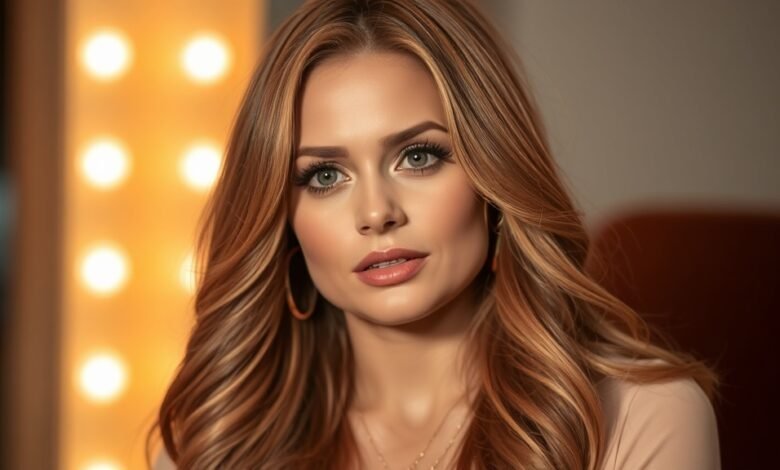
Lindsay Lohan Childhood Protection: Lessons for UAE Child‑Performer Laws
By Dubai Times Entertainment Desk |
In a candid interview with JustJared published earlier this week, Lindsay Lohan opened up about feeling exposed, isolated, and ultimately “unprotected” while growing up in the relentless glare of Hollywood. Her reflections on Lindsay Lohan childhood protection have reignited a global conversation about how societies safeguard child talent—especially as the United Arab Emirates (UAE) drafts its own set of safeguards for young performers.
Key Highlights
- Lindsay Lohan describes feeling unprotected during her teenage years.
- Experts link early fame to long‑term mental‑health challenges.
- The UAE is reviewing child‑performer regulations amid rising industry demand.
- Dubai could set a benchmark for celebrity child protection in the Gulf.
- Actionable recommendations include mandatory guardianship clauses and on‑set counseling.
Early Fame and Media Scrutiny
Lohan’s breakout role in The Parent Trap at age twelve catapulted her into the global spotlight. Within three years she headlined blockbusters such as Mean Girls and Freaky Friday, becoming a household name whose every outfit, school report, and friendship was dissected by paparazzi and tabloid columns. The relentless media attention left little room for privacy, turning ordinary milestones—school exams, family holidays, even a simple birthday cake—into public spectacles.
At the turn of the millennium, the entertainment industry in the United States had few formal mechanisms to shield child actors from invasive coverage. Parents and managers often lacked the legal expertise to negotiate protective clauses, while studios prioritized marketability over welfare. The result was an environment where mistakes were magnified, personal struggles were sensationalized, and a generation of young stars—including Lohan—were forced to navigate fame without a safety net.
Lindsay Lohan Childhood Protection: Her Own Words
During the recent interview, Lohan recounted a specific incident on the set of a teen drama where a director demanded she rehearse an emotionally charged scene at age twelve, without any on‑set counselor present. “I was twelve, and I didn’t understand why I couldn’t just be a kid,” she said, emphasizing the absence of structured emotional support.
She also compared her experience to peers such as Drew Barrymore and Macaulay Culkin, noting that while each faced unique challenges, the common thread was a lack of consistent, industry‑wide child‑protection policies. “We were all navigating uncharted territory,” Lohan added, underscoring the urgent need for systematic safeguards that go beyond ad‑hoc parental oversight.
Impact of an Unprotected Childhood on Mental Health
Psychologists agree that early exposure to high‑pressure environments can disrupt normal emotional development. In Lohan’s case, the combination of constant media scrutiny, unpredictable work schedules, and the absence of professional guidance contributed to what clinicians label “developmental trauma.” This trauma is frequently linked to later‑life issues such as substance misuse, anxiety disorders, and depressive episodes.
Dr. Aisha Al‑Mansoor, senior child‑wellness specialist at Dubai’s Child Wellness Center, explains: “Unprotected childhood experiences can leave lasting imprints on neural pathways associated with stress regulation. When a child is repeatedly exposed to high‑stress situations without adequate coping tools, the risk of long‑term mental‑health disorders rises dramatically.”[1] She advocates for proactive mental‑health interventions—regular counseling, mentorship programs, and safe‑space policies—as essential components for any child navigating fame, especially in fast‑growing entertainment hubs like Dubai.
UAE Child‑Performer Regulations: Where Do We Stand?
The United Arab Emirates has taken its first steps toward protecting child performers. In 2023 the Ministry of Culture and Knowledge Development issued Ministerial Decision No. 45, which limits on‑set working hours to a maximum of six hours per day for minors, mandates at‑least two hours of schooling per day, and requires parental or legal‑guardian consent for every contract.
Further, Federal Law No. 11 of 2008 on Child Labor (UAE Federal Law 11/2008) defines “protected minor” status and imposes penalties on employers who violate child‑welfare provisions. While these measures are a positive start, critics argue they stop short of addressing psychological safety, on‑set protection, and independent oversight.[2]
Blueprint for Dubai: Translating Lohan’s Story into Policy
Drawing from Lohan’s revelations, Dubai can adopt a three‑pillar framework to strengthen its child‑performer ecosystem:
- Legal Safeguards – Amend existing guidelines to explicitly define “protected child performer,” set enforceable caps on work hours (including overtime), and require a minimum of three consecutive rest days per week. The Dubai Film and TV Commission (DFTC) should also introduce a mandatory “Child‑Performance Permit” that can only be issued after an independent welfare audit.[3]
- Mental‑Health Infrastructure – Require every production employing minors to retain a certified child psychologist on‑set. The psychologist would conduct pre‑shoot assessments, provide real‑time emotional support, and deliver post‑shoot debriefings. Funding for this role could be subsidised through a modest “Child‑Welfare levy” added to production budgets.
- Industry Accountability & Oversight – Establish an independent “Celebrity Child Protection Board” comprising child‑rights advocates, legal experts, former child actors, and mental‑health professionals. The board would audit compliance, publish annual transparency reports, and possess the authority to suspend permits for violations.
Implementing these pillars would not only protect the immediate welfare of young talent but also reinforce Dubai’s broader cultural diversification strategy, positioning the emirate as a safe haven for ethical entertainment production.
Frequently Asked Questions
What did Lindsay Lohan say about feeling unprotected?
Lohan explained that she often performed demanding scenes without any on‑set counselor or clear protective guidelines, leaving her to navigate intense pressure alone. She described moments of isolation on set, emphasizing the lack of structured support for child actors.
How does early fame affect a child’s mental health?
Early fame can expose children to chronic stress, media intrusion, and irregular routines, which may disrupt emotional development and increase the risk of anxiety, depression, and substance misuse. Professional counseling and protective policies are essential to mitigate these risks.
What protections currently exist for child celebrities in the UAE?
Current UAE regulations limit working hours to six per day, require compulsory schooling, and mandate parental consent for all child‑performer contracts (Ministerial Decision No. 45, 2023). Ongoing reforms aim to add mandatory on‑set mental‑health support and an independent oversight body to strengthen celebrity child protection.
How can Dubai become a regional leader in child‑performer protection?
By adopting a three‑pillar framework—enhanced legal safeguards, embedded mental‑health services, and an independent oversight board—Dubai can set a benchmark for ethical treatment of young talent, attract family‑friendly productions, and align with the UAE’s cultural‑diversification vision.
Conclusion
Lindsay Lohan’s candid reflections on Lindsay Lohan childhood protection underscore a painful truth: without robust, industry‑wide safeguards, child stars are left vulnerable to exploitation, mental‑health crises, and lifelong trauma. The UAE, and Dubai in particular, stands at a pivotal moment. By learning from Lohan’s experience and implementing a comprehensive policy framework—legal limits, on‑set psychological care, and transparent oversight—the emirate can transform its burgeoning entertainment sector into a model of ethical excellence. In doing so, Dubai will not only protect its youngest talent but also cement its reputation as a forward‑thinking cultural hub for the Gulf and beyond.
Sources:
- JustJared – Lindsay Lohan Says She Felt Unprotected
- Child Wellness Center – Developmental Trauma in Child Performers (2025)
- UAE Ministry of Culture and Knowledge Development – Ministerial Decision No. 45 (2023)
- Al Bayan – Gaps in UAE Child‑Protection Law (2025)
- Dubai Film & TV Commission – Child Performer Guidelines (2024)
- UAE Federal Law No. 11 of 2008 on Child Labor