
UAE’s Stray Animal Crisis Is Getting Worse – and Municipalities Are Under Fire

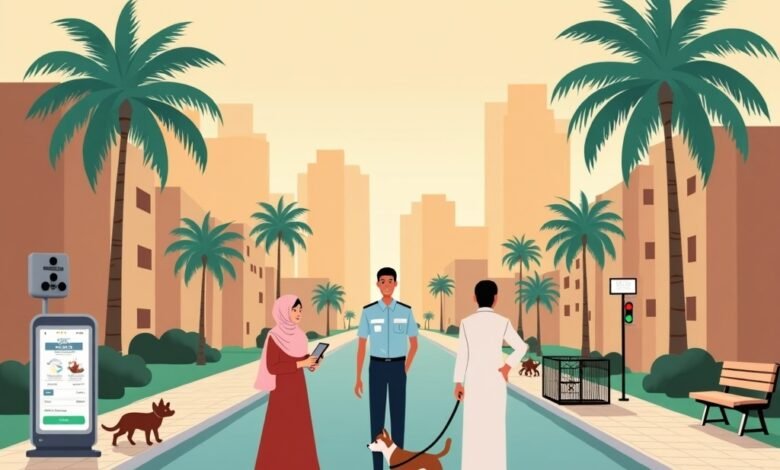
Stray animal populations across the UAE surged in 2026, raising urgent public health and safety concerns for residents in every emirate. Dubai Municipality, Abu Dhabi City Municipality, and other local authorities face mounting criticism over delayed responses, insufficient funding, and incomplete policy implementation. Recent incidents, including stray dog attacks in residential zones and traffic accidents caused by animals wandering onto highways, have pushed the issue into the national spotlight. This article examines the scale of the crisis, the health risks confronting UAE families, official responses now underway, and the practical steps residents must take to protect themselves and report incidents to the correct authorities.
The Scope of the Stray Animal Crisis in the UAE: 2026 Data and Hotspots
Dubai Municipality reported a 22 percent increase in stray animal sightings in 2026 compared to 2025, while Abu Dhabi City Municipality documented over 14,000 calls to animal control hotlines in the first six months of the year. Stray cats and dogs now occupy industrial zones, construction sites, and residential neighborhoods across all seven emirates. Animal welfare groups operating in the UAE confirm that abandonment rates climbed during the first quarter of 2026, driven by economic pressures and pet owners relocating without making arrangements for their animals. The trend worsened throughout the year, leaving municipal shelters at or beyond capacity and TNR programs struggling to keep pace with breeding cycles.
Key Statistics: Stray Populations Across Emirates
- Dubai: 22 percent year-on-year increase in stray sightings, concentrated in Al Quoz, Jebel Ali industrial zones, and peripheral residential areas including International City and Discovery Gardens
- Abu Dhabi: Over 14,000 animal control calls logged between January and June 2026, with hotspots in Mussafah, Al Shamkha, and Khalifa City
- Sharjah: Municipal sources estimate at least 8,000 stray animals operating in the emirate, with high concentrations near labor accommodation zones and undeveloped land parcels
- Ajman and Ras Al Khaimah: Smaller population bases but proportionally similar increases, with complaints rising by 18 percent and 15 percent respectively
- Fujairah and Umm Al Quwain: Limited official data released, but resident reports indicate worsening conditions in coastal and industrial areas
Why the Stray Animal Problem Is Escalating: Root Causes in 2026
Pet abandonment surged as economic factors, including rising living costs and housing restrictions in rental properties, forced families to give up animals without using official channels. Many owners chose abandonment over surrender to municipal shelters or rehoming services, leaving animals to fend for themselves in public spaces. Rapid urban expansion into previously undeveloped zones displaced animal populations while simultaneously creating new breeding grounds in construction sites and unoccupied buildings. Dubai-based veterinarians and UAE animal welfare organizations point to the absence of widespread, mandatory sterilization programs as a critical gap. Current TNR initiatives cover only a fraction of the stray population, allowing unchecked reproduction to outpace removal and adoption efforts. Municipal budgets allocated for animal control remain insufficient relative to the scale of the problem. Shelter capacities have not expanded at the rate required to accommodate the rising intake of stray and surrendered animals, leaving authorities unable to clear backlogs or respond to every reported case within acceptable timeframes.
Municipalities Under Fire: Roles, Criticism, and Accountability
Dubai Municipality holds primary responsibility for stray animal management within the emirate, operating shelters, coordinating TNR programs, and responding to public complaints through dedicated hotlines and the Dubai Police app. Abu Dhabi City Municipality manages animal control across the capital emirate, working alongside the Department of Municipalities and Transport to enforce regulations and run adoption drives. Local government departments in Sharjah, Ajman, Ras Al Khaimah, Fujairah, and Umm Al Quwain oversee their respective jurisdictions, though resources and program maturity vary widely. Criticism from residents, animal rights activists, and UAE-based media centers on response delays, with some complaints going unanswered for weeks. Activists argue that funding gaps prevent municipalities from scaling TNR programs and shelter infrastructure to meet actual needs. Policy implementation falls short in enforcement of pet abandonment penalties and in coordination between municipal bodies and NGOs offering complementary services. Official statements from Dubai Municipality defend current efforts, emphasizing expanded shelter capacity in 2026 and increased staffing for animal control units. Municipal spokespersons acknowledge challenges but maintain that progress requires sustained budget increases and stronger public cooperation in responsible pet ownership and reporting.
Municipal responsibilities across the UAE include:
- Operating and maintaining animal shelters with adequate capacity for intake, quarantine, and adoption
- Implementing trap-neuter-release programs to control stray breeding cycles
- Responding to public reports of stray animals, dangerous animals, and animal-related incidents within defined timeframes
- Enforcing local regulations on pet ownership, abandonment, and public health standards
- Coordinating with public health authorities to monitor zoonotic disease risks and vaccination coverage
- Partnering with NGOs and private shelters to increase adoption rates and share resources
- Running public awareness campaigns on responsible pet ownership and the legal consequences of abandonment
Case Study: Dubai Municipality’s Current Initiatives and Shortfalls
Dubai Municipality launched an expanded TNR program in early 2026, targeting high-density stray populations in Al Quoz, International City, and Jebel Ali. The program aims to trap, sterilize, vaccinate, and release animals back into managed colonies rather than removing them entirely. Shelter capacity increased by 15 percent in 2026 through the opening of a new facility in Warsan, bringing total intake capacity to approximately 3,200 animals at any given time. Municipal officials report processing over 9,000 TNR cases in the first nine months of the year and facilitating 1,800 adoptions through partnerships with local rescue groups. Residents in Discovery Gardens, Springs, and Meadows communities complain that response times for reported stray incidents remain unacceptably long, with some cases taking two to three weeks for municipal teams to address. Critics point out that TNR efforts have yet to reach many outlying neighborhoods and that the program lacks sufficient veterinary staff to scale operations further. Dubai Municipality spokespersons acknowledge capacity constraints and cite ongoing efforts to secure additional funding and recruit more animal welfare specialists in the 2027 budget cycle.
Public Health and Safety Risks for UAE Residents: A YMYL Perspective
Stray animals present direct health and safety risks that UAE residents must take seriously. Zoonotic diseases, including rabies, remain a concern despite vaccination campaigns, particularly in areas where stray populations have not undergone regular veterinary screening. The Dubai Health Authority and Ministry of Health and Prevention advise residents to avoid direct contact with stray animals and to seek immediate medical attention if bitten or scratched. Traffic accidents caused by animals crossing highways or major roads have resulted in injuries and vehicle damage, with Dubai Police recording dozens of such incidents in 2026. Attacks on children and pets occur sporadically, especially where stray dogs operate in packs or feel cornered in residential zones. Parents in affected neighborhoods report concerns about children walking to school or playing outdoors in areas with high stray activity.
Key health and safety risks include:
- Rabies transmission through bites or scratches from infected animals, requiring immediate post-exposure prophylaxis
- Other zoonotic diseases such as toxoplasmosis, leptospirosis, and parasitic infections transmitted through contact or contaminated environments
- Traffic hazards when animals wander onto roadways, causing drivers to swerve or brake suddenly
- Physical attacks on residents, particularly children and elderly individuals, in neighborhoods with aggressive stray populations
- Injuries to household pets during encounters with territorial stray animals
- Public nuisance and hygiene concerns from animal waste accumulation in public spaces and residential compounds
Residents must rely exclusively on official guidance from Dubai Health Authority, Ministry of Health and Prevention, and municipal health departments for medical protocols following animal encounters. This article provides general awareness of risks but does not substitute for professional medical or veterinary advice.
Official Responses and 2026 Action Plans: What Authorities Are Doing
UAE federal and local governments announced several initiatives in 2026 to address the stray animal crisis and restore public confidence in municipal animal control systems. New funding allocations approved in Dubai’s 2026 budget included AED 12 million earmarked for shelter expansion, TNR program scaling, and public awareness campaigns. Abu Dhabi’s Department of Municipalities and Transport partnered with UAE-based animal welfare NGOs to establish a coordinated adoption network, streamlining the process for residents interested in adopting stray animals through official channels. Legislative proposals introduced in the Federal National Council in mid-2026 called for standardized penalties across all emirates for pet abandonment, with fines starting at AED 5,000 and rising for repeat offenses. Ministry of Climate Change and Environment officials emphasized the need for mandatory microchipping and registration of all pet dogs and cats sold in the UAE, a measure designed to reduce abandonment by creating accountability for pet owners. Public awareness campaigns launched by Dubai Municipality and Abu Dhabi City Municipality target school-age children and families, promoting responsible pet ownership and encouraging residents to use official surrender channels rather than abandoning animals.
- Allocate dedicated municipal budgets for animal control infrastructure, including new shelters, mobile veterinary clinics, and TNR expansion
- Establish partnerships between government bodies and UAE-based NGOs to share resources, coordinate adoption drives, and increase community outreach
- Implement mandatory microchipping and registration requirements for all pets sold in the UAE, enforced through pet shops, breeders, and veterinary clinics
- Introduce standardized fines and penalties for pet abandonment, enforced uniformly across all seven emirates
- Launch school-based and community-level education programs on responsible pet ownership, zoonotic disease prevention, and legal obligations of pet owners
- Increase veterinary staffing and training for municipal animal control units to improve response times and TNR throughput
- Develop real-time reporting systems through mobile apps and online portals, allowing residents to report stray incidents and track case progress
Abu Dhabi’s Integrated Stray Management Strategy
Abu Dhabi City Municipality unveiled an integrated stray management strategy in March 2026, combining surveillance, community involvement, and technology-driven reporting to reduce stray populations and improve public safety. The strategy relies on a network of fixed and mobile animal control units equipped with GPS tracking and real-time dispatch capabilities, allowing faster response to high-priority cases such as aggressive animals or animals in traffic zones. The municipality expanded its shelter network by opening a second facility in Al Shamkha, increasing total capacity to 2,800 animals and reducing intake wait times. Adoption drives held quarterly in partnership with local rescue groups achieved a 40 percent adoption rate for shelter animals in 2026, the highest recorded in the emirate. Community involvement programs encourage residents to register as volunteer animal monitors, reporting stray activity and assisting with TNR efforts under municipal supervision. Abu Dhabi’s Department of Municipalities and Transport confirmed that the strategy reduced complaint volumes by 12 percent in the third quarter of 2026 compared to the same period in 2025, though officials acknowledge that sustained effort and funding will be required to maintain progress.
What Residents Can Do: Practical Steps for Safety and Reporting
UAE residents must report stray animal sightings and incidents to the correct municipal authorities to ensure timely intervention. Dubai residents use Dubai Municipality’s 800900 hotline or submit reports through the Dubai Police app, providing exact location details, descriptions of the animals, and photos if safe to capture. Abu Dhabi residents call Abu Dhabi City Municipality’s 800555 hotline or use the TAMM app for non-emergency animal control requests. Sharjah, Ajman, Ras Al Khaimah, Fujairah, and Umm Al Quwain residents contact their respective municipal customer service centers or local police stations for stray animal reports. When encountering stray animals, residents should maintain a safe distance, avoid direct eye contact with dogs, and never attempt to corner or provoke animals. Parents must supervise children in areas with known stray activity and teach them not to approach or feed stray animals. Residents who witness aggressive behavior, animal injuries, or animals in immediate danger on roadways should prioritize calling authorities rather than intervening personally.
- Identify the correct reporting channel for your emirate: Dubai Municipality 800900, Abu Dhabi City Municipality 800555, or your local municipal customer service center
- Provide precise location information using landmarks, street names, or GPS coordinates to help animal control teams locate the animals quickly
- Describe the number of animals, their appearance, and any aggressive or injured behavior observed
- Submit photos or videos if you can do so safely without approaching the animals or putting yourself at risk
- Do not feed stray animals, as this attracts larger populations to the area and makes management more difficult
- Follow up on your report using the reference number provided by the municipal hotline or app, especially if response delays occur
- Encourage neighbors and community groups to report stray activity collectively, as multiple reports increase municipal prioritization of the area
Safety tips for residents:
- Keep a safe distance of at least five meters from stray animals, especially dogs in groups
- Do not run or make sudden movements if a stray dog approaches, as this can trigger chase behavior
- Avoid direct eye contact with aggressive animals, as they may perceive this as a threat
- Use barriers such as cars, fences, or building walls to separate yourself from animals displaying territorial behavior
- Supervise children at all times in outdoor play areas and teach them never to touch or feed stray animals
- Keep household pets on leashes and avoid walking them in areas with known high stray activity during peak hours
- Seek immediate medical attention from Dubai Health Authority clinics, Ministry of Health and Prevention facilities, or private hospitals if bitten or scratched
Residents who wish to support municipal efforts can donate to UAE-registered animal welfare organizations, volunteer at local shelters, or participate in community TNR monitoring programs where available. Responsible pet ownership remains the single most effective individual action, including spaying or neutering household pets, microchipping animals, and using official surrender channels if circumstances require rehoming.
Community and NGO Efforts: Grassroots Solutions in the UAE
UAE-based animal welfare NGOs provide critical support to municipal animal control efforts, operating private shelters, coordinating rescue operations, and facilitating adoptions for stray and surrendered animals. Organizations such as K9 Friends, Stray Dogs Center UAE, and Feline Friends operate across Dubai, Abu Dhabi, and the Northern Emirates, often stepping in where municipal resources fall short. Volunteer programs run by these groups allow UAE residents to participate in feeding programs, foster care, and adoption event coordination, directly reducing the burden on government facilities. Corporate CSR initiatives from UAE-based companies have funded shelter construction, veterinary care, and public awareness campaigns, contributing millions of dirhams to animal welfare efforts in 2026. Challenges faced by NGOs include limited funding, reliance on donations that fluctuate with economic conditions, and difficulty securing long-term land use permits for shelter facilities. Success stories include high-profile adoption drives that rehomed hundreds of animals in single-day events and partnerships with international rescue networks that transport UAE strays to adoptive families abroad. Residents interested in supporting grassroots solutions can donate funds or supplies to registered charities, volunteer time at shelters, or foster animals temporarily while permanent homes are found.
Key UAE animal welfare organizations:
- K9 Friends (Dubai and Abu Dhabi): operates shelters, TNR programs, and adoption services
- Stray Dogs Center UAE (Dubai): focuses on rescue, rehabilitation, and rehoming of stray dogs
- Feline Friends (Dubai): specializes in cat rescue, TNR, and feline-specific adoption programs
- Animals and Us Fujairah: serves the Northern Emirates with shelter services and community outreach
- RAK Animal Welfare Centre (Ras Al Khaimah): provides shelter, veterinary care, and adoption facilitation
Frequently Asked Questions
How do I report stray animals in Dubai?
Use Dubai Municipality’s hotline 800900 or submit a report through the Dubai Police app. Provide the exact location, a description of the animals, and photos if you can capture them safely. Include your contact details so the municipality can follow up if additional information is needed.
Are stray animals a health risk in the UAE?
Yes, stray animals pose health risks including rabies, toxoplasmosis, leptospirosis, and parasitic infections transmitted through bites, scratches, or contaminated environments. Traffic accidents and physical attacks also occur. Refer to Dubai Health Authority and Ministry of Health and Prevention guidelines for precautions, and seek immediate medical attention if bitten or scratched.
What is Dubai Municipality doing about stray cats and dogs?
Dubai Municipality operates trap-neuter-release programs targeting high-density stray populations, expanded shelter capacity by 15 percent in 2026, and processed over 9,000 TNR cases in the first nine months of the year. Public awareness campaigns promote responsible pet ownership and encourage use of official surrender channels rather than abandonment.
Can I adopt a stray animal in the UAE legally?
Yes, you can adopt stray animals through authorized shelters operated by Dubai Municipality, Abu Dhabi City Municipality, or UAE-registered animal welfare NGOs. Follow municipal regulations requiring vaccinations, microchipping, and registration of adopted animals. Adoption fees typically cover veterinary care costs and administrative processing.
What fines exist for abandoning pets in the UAE?
Fines for pet abandonment vary by emirate. Legislative proposals introduced in 2026 call for standardized penalties starting at AED 5,000, with higher fines for repeat offenses. Dubai Municipality and Abu Dhabi City Municipality enforce local ordinances, and residents should consult official municipal sources for current penalty schedules and enforcement policies in their jurisdiction.
What Residents Should Know
The UAE stray animal crisis worsened in 2026, with population increases across all seven emirates raising serious public health and safety concerns for residents. Dubai Municipality, Abu Dhabi City Municipality, and other local authorities face justified criticism over response delays, funding shortfalls, and incomplete policy implementation, though new initiatives launched in 2026 signal official commitment to addressing the problem. Residents must take personal responsibility by reporting stray incidents to the correct municipal hotlines, following safety protocols when encountering animals, and supporting responsible pet ownership in their communities. Official surrender channels, TNR programs, and adoption services provide alternatives to abandonment and help reduce the stray population over time.
Stay informed on this crisis and other UAE Local & Public Affairs developments by following Dubai Times at dubaitimes.ae for continuous, resident-focused coverage of municipal actions, policy changes, and community impacts across all emirates.