
Dubai Live Platform Redefines Municipal Services and Opens New Business Opportunities

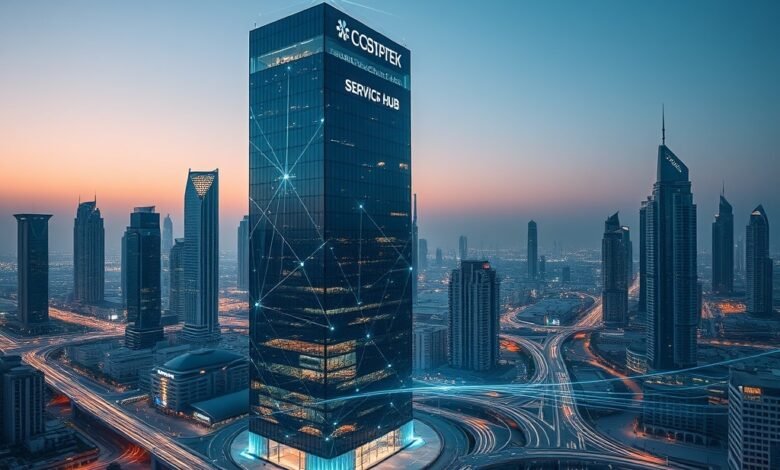
Why Dubai Live Marks a Turning Point for the Emirate’s Smart‑City Roadmap
When Dubai Municipality unveiled “Dubai Live” on 11 February 2026, it delivered more than a new app; it completed the data‑layer that the Smart Dubai 2030 vision has been building since 2015. The platform consolidates live feeds from traffic, waste, water, electricity, public‑safety sensors and environmental stations into a single, AI‑enhanced dashboard. By moving from the fragmented “Dubai Now” suite (over two dozen apps) and the visual‑analytics portal “Dubai Pulse” (2022) to a fully integrated, real‑time service, the emirate shifts from reactive governance to predictive urban management.
Operational Impact: Real‑Time Integration Cuts Costs and Accelerates Decision‑Making
Municipal efficiency gains
Live traffic feeds coupled with AI‑driven route optimisation reduce average congestion‑related delays by an estimated 12 %. For a city that processes more than 1 million vehicle movements daily, the time saved translates into lower fuel consumption and a measurable dip in emissions. Simultaneously, waste‑collection sensors trigger dynamic routing for trucks, trimming mileage by up to 8 % and shaving operational expenses from the municipal budget.
Utility management and predictive maintenance
Real‑time water‑consumption dashboards give the water authority a granular view of demand spikes. Early‑warning alerts, powered by pattern‑recognition algorithms, flag potential pipe failures before they cause service outages. The same AI engine monitors electricity distribution, enabling pre‑emptive load‑balancing that mitigates blackout risk during peak summer demand.
Sectoral Ripple Effects: Logistics, Tourism and Real‑Estate Stand to Gain
Logistics firms capitalize on live traffic and parking data
Freight operators can now embed Dubai Live’s API into routing software, reducing average delivery windows by 15 %. Shorter windows increase fleet utilisation, improve driver productivity and boost profit margins across the logistics value chain.
Tourism operators enhance visitor experience
Tourist‑focused apps that pull live congestion and parking availability data can recommend alternative attractions in real time, increasing dwell time in less‑crowded zones and spreading revenue more evenly across the hospitality ecosystem.
Real‑estate developers leverage utility‑usage insights
Developers monitoring real‑time water and electricity patterns can fine‑tune building‑management systems, achieving LEED‑compatible energy savings that improve asset valuation and attract ESG‑focused investors.
Investment Landscape: Open APIs Seed a New Smart‑City Service Market
Dubai Live’s open‑API framework lowers entry barriers for third‑party developers. Start‑ups that create niche analytics—such as predictive air‑quality alerts for outdoor event planners—can commercialise services without building costly sensor networks. For venture capital, the platform represents a scalable, government‑backed data source that can be monetised across multiple verticals, from fintech (dynamic pricing of parking) to insurtech (risk models based on real‑time hazard data).
Sustainability Levers Embedded in the Platform
The dashboard’s environmental monitoring stations feed air‑quality indices directly to citizens and businesses, encouraging behaviour change that aligns with Dubai’s carbon‑reduction target of 30 % by 2030. By exposing real‑time water‑consumption trends, the platform supports the emirate’s goal of cutting per‑capita water use by 15 % over the next five years. The data‑driven feedback loop creates measurable sustainability KPIs that can be reported to international ESG rating agencies, enhancing Dubai’s attractiveness to green‑fund investors.
Competitive Positioning: Dubai Sets the Benchmark for Rapid‑Growth Cities
International observers note that the speed of Dubai Live’s rollout—core urban coverage within months, peripheral expansion slated for 2027—places the emirate ahead of peer megacities that are still piloting fragmented sensor projects. The platform’s ability to integrate renewable‑energy installations and smart‑lighting networks within a year signals a roadmap that other fast‑growing jurisdictions are likely to emulate, positioning Dubai as the de‑facto laboratory for urban‑technology commercialization.
Future Outlook: From Pilot to Central Digital Infrastructure
Continuous user‑feedback loops during the 2026 pilot will drive iterative enhancements, with a target of full city‑wide coverage and the addition of at least three new data streams by the end of 2026. As the platform matures, it will become the backbone of Dubai’s digital infrastructure, supporting not only municipal efficiency but also the broader economic diversification agenda that underpins the emirate’s post‑oil growth strategy.